Cappadocia, 2024
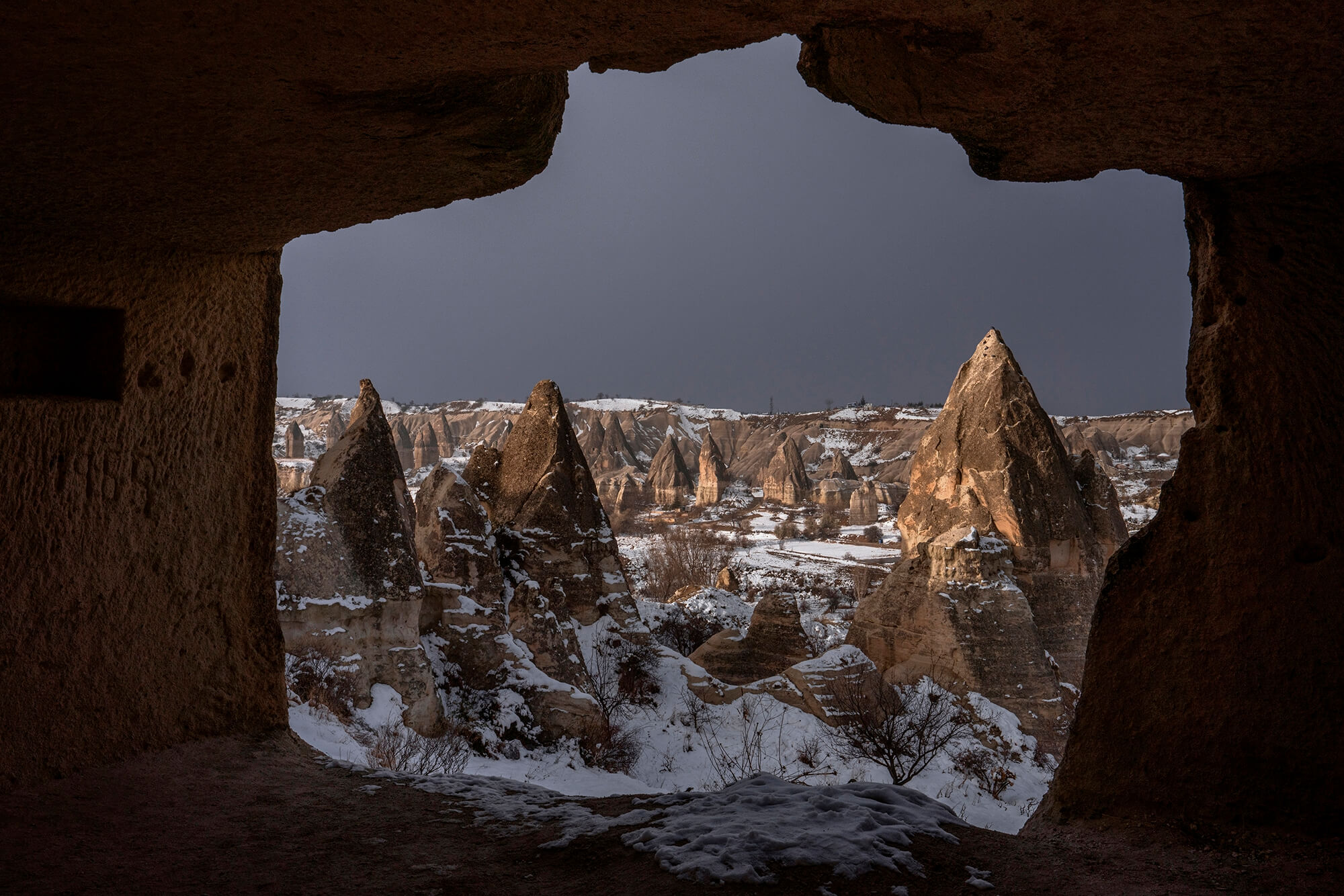
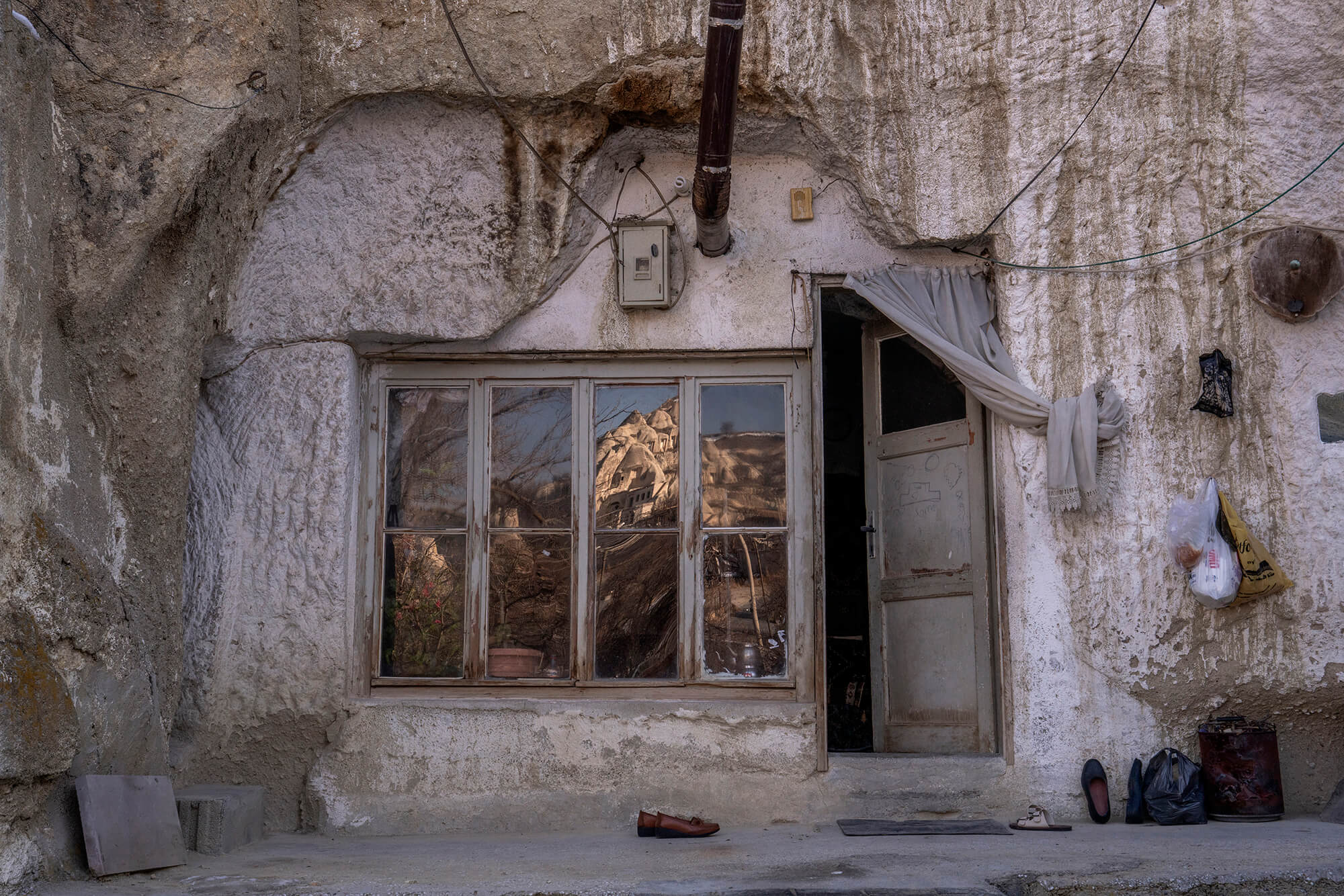
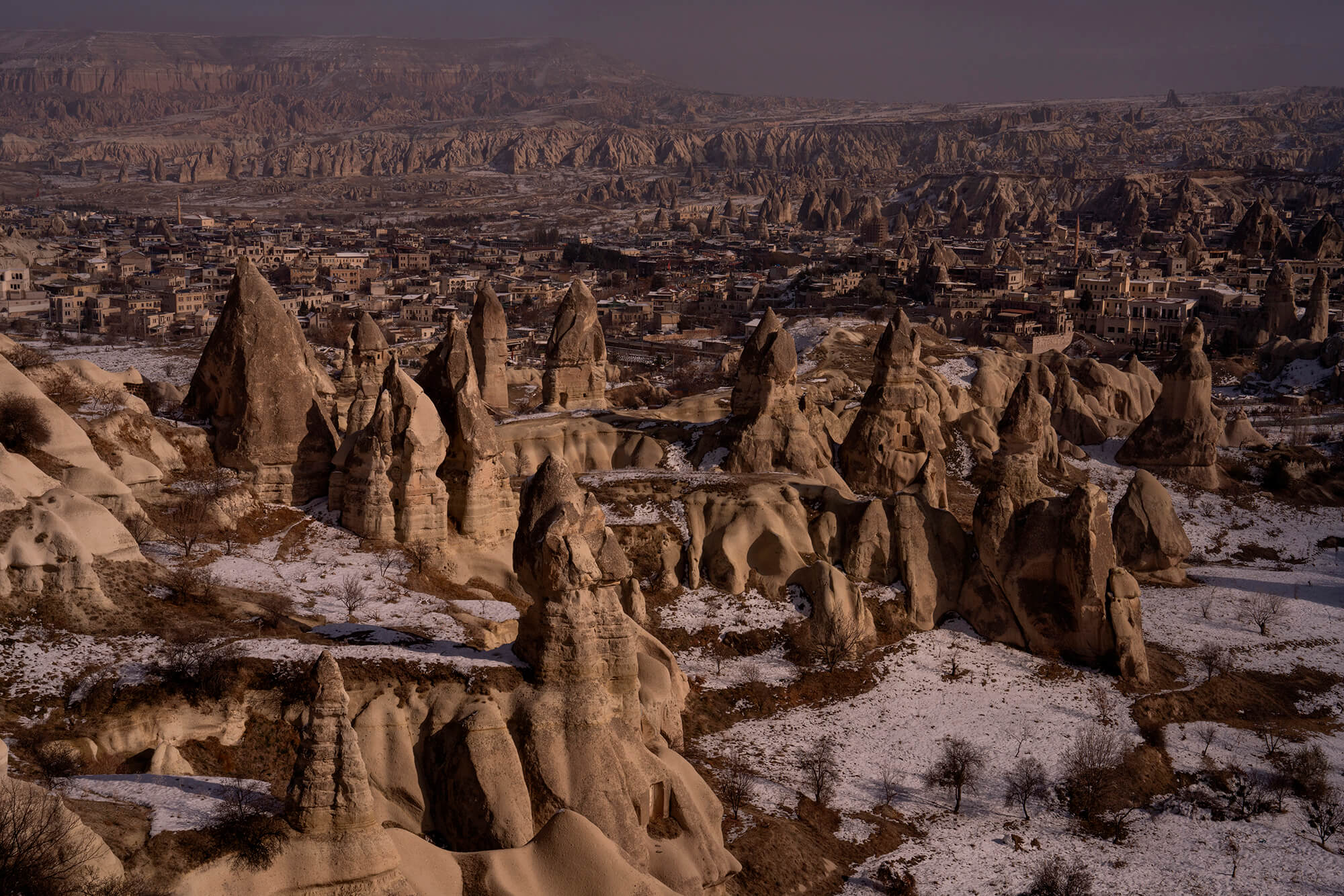
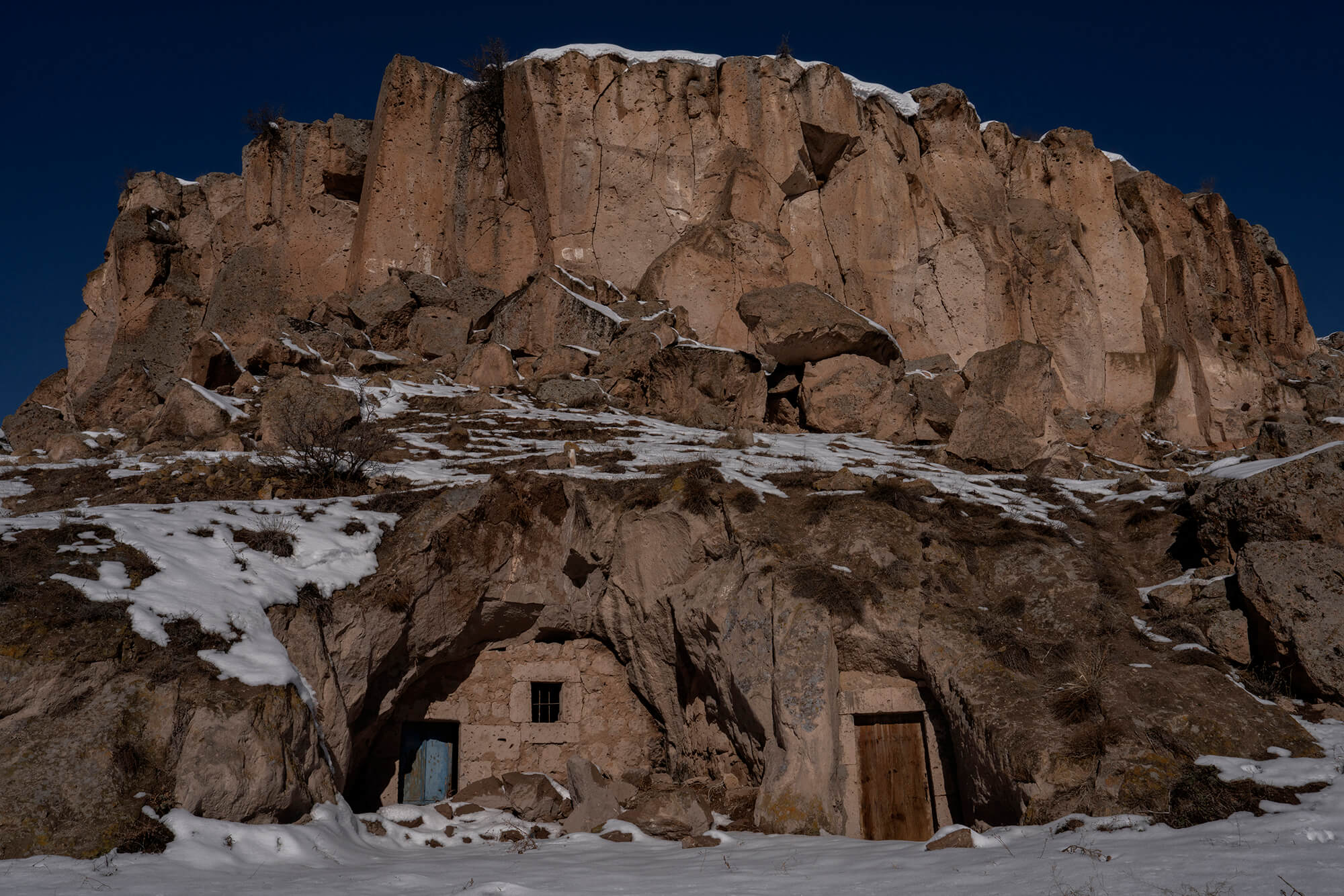
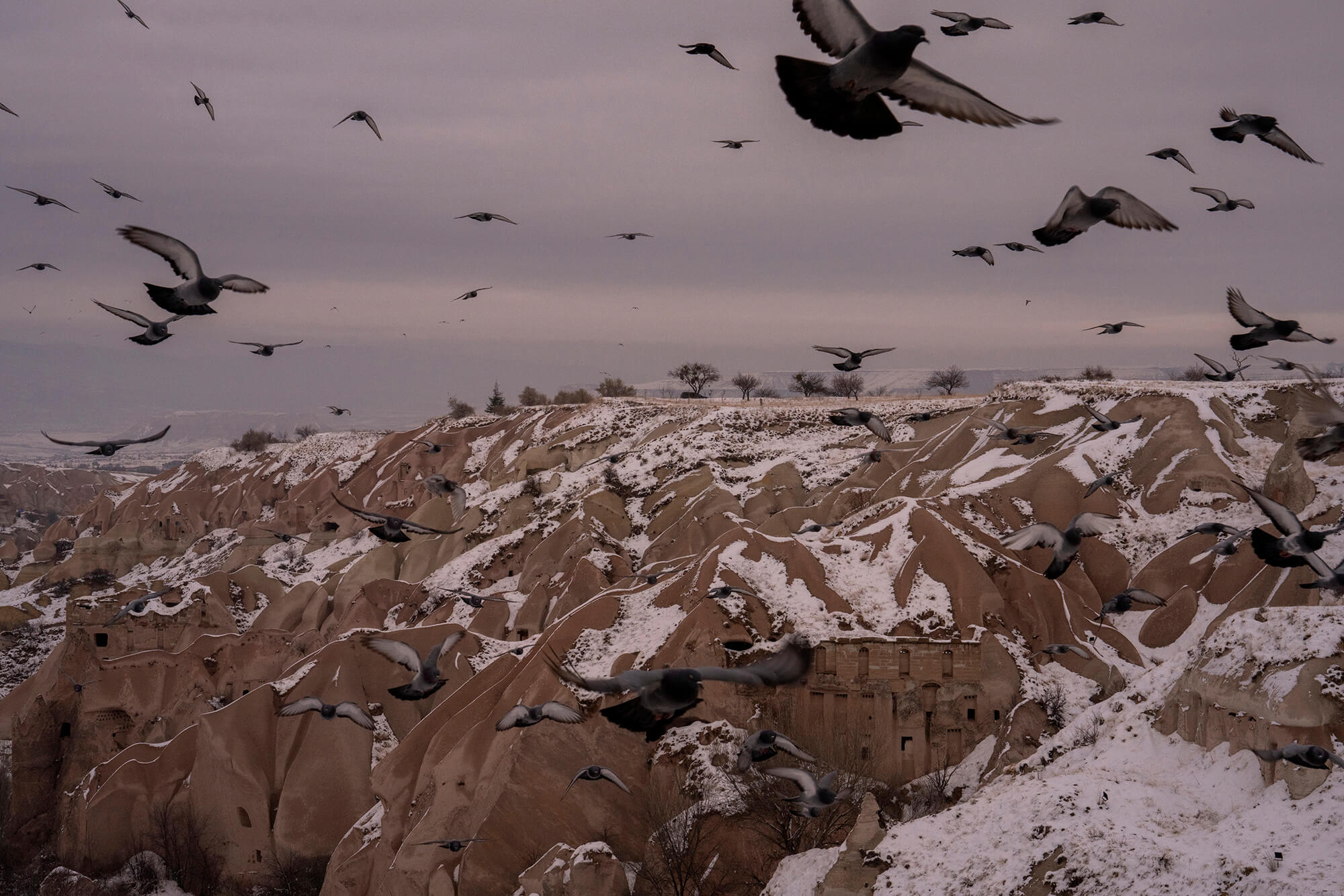
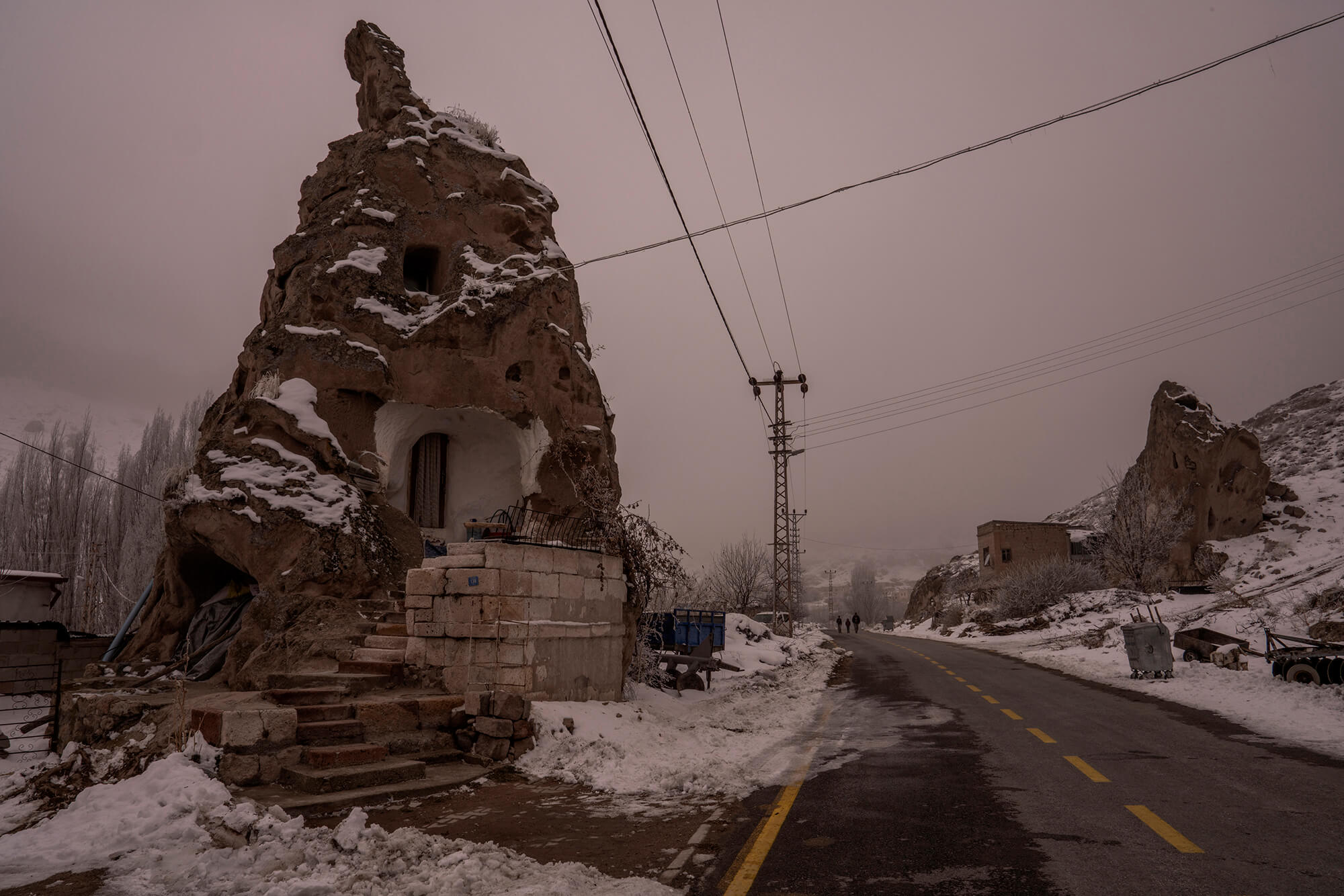
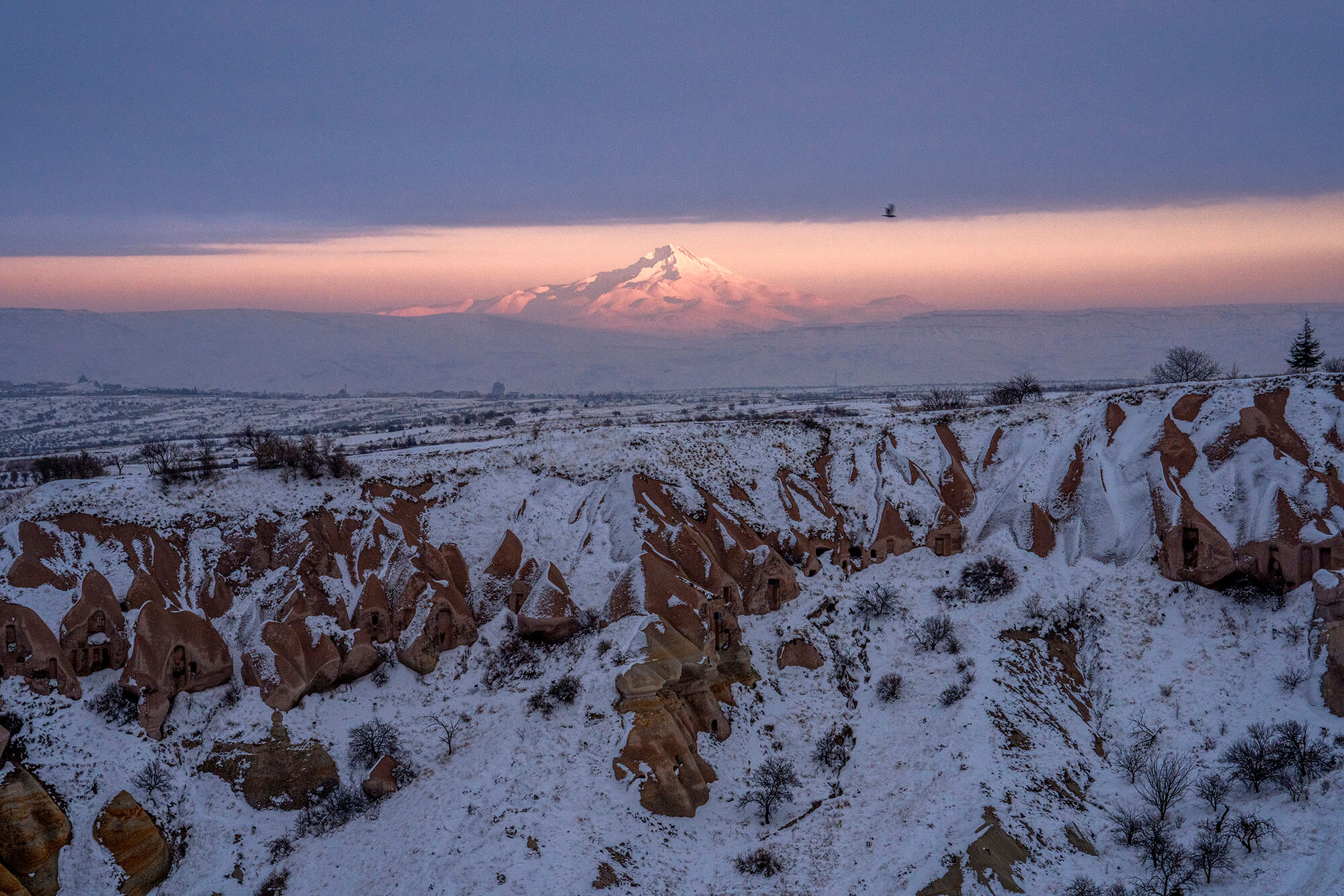
The volcanic landscape of Cappadocia, in central Turkey, has eroded over millennia to form mountain ridges, sandstone valleys, and rows of Gaudiesque cones that the tourism industry likes to call fairy chimneys. Over 4,000 years, humans, too, have carved the porous rock, excavating a warren of caves, tunnels, and passages. Among 205,000 acres of archaeological sites in the region, there are dozens of abandoned underground cities. One, Kaymaklı, is over 4,000 years old and extends eight stories belowground, complete with stables and wine cellars. Another, Derinkuyu, was vast enough to have housed 20,000 people at once.
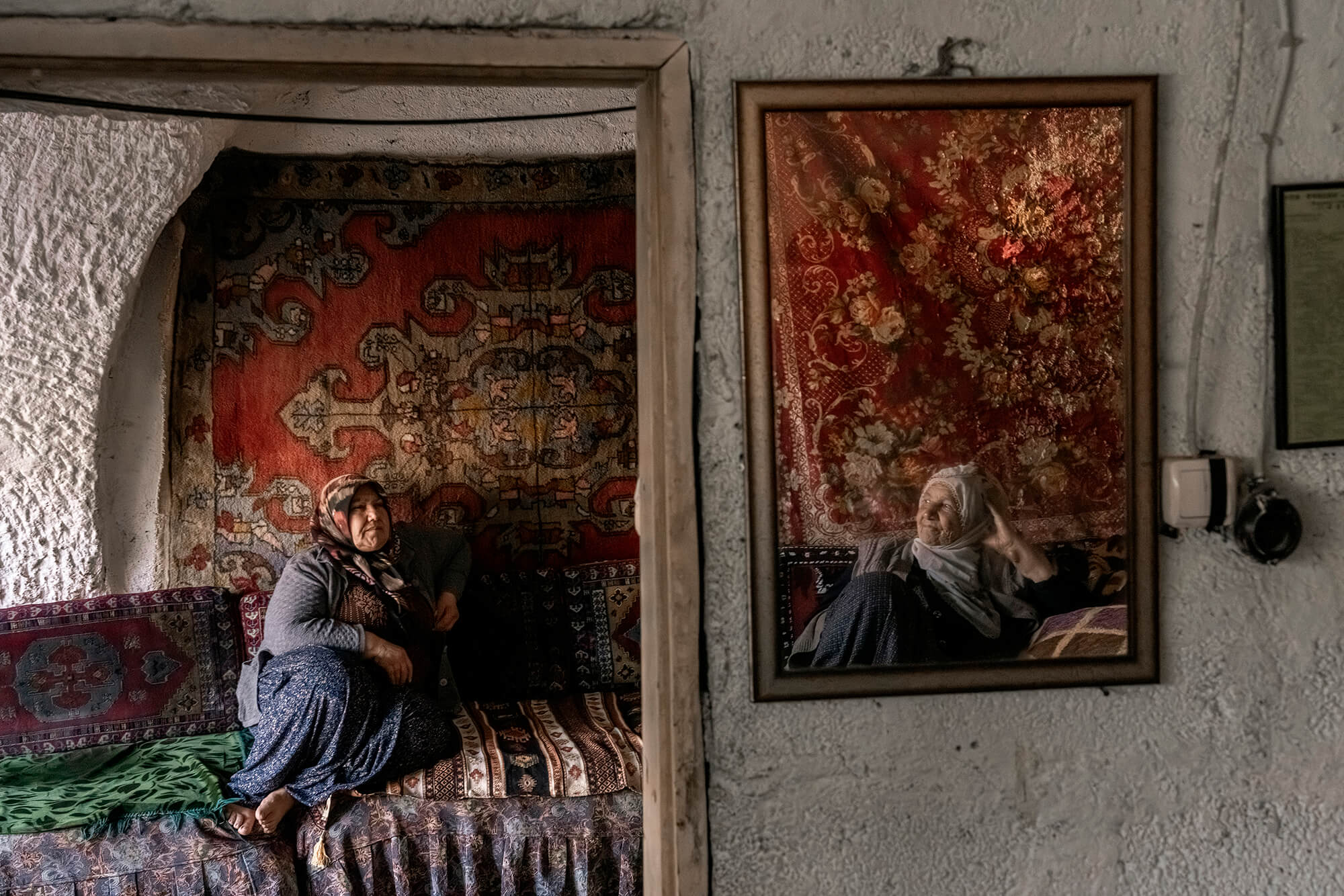
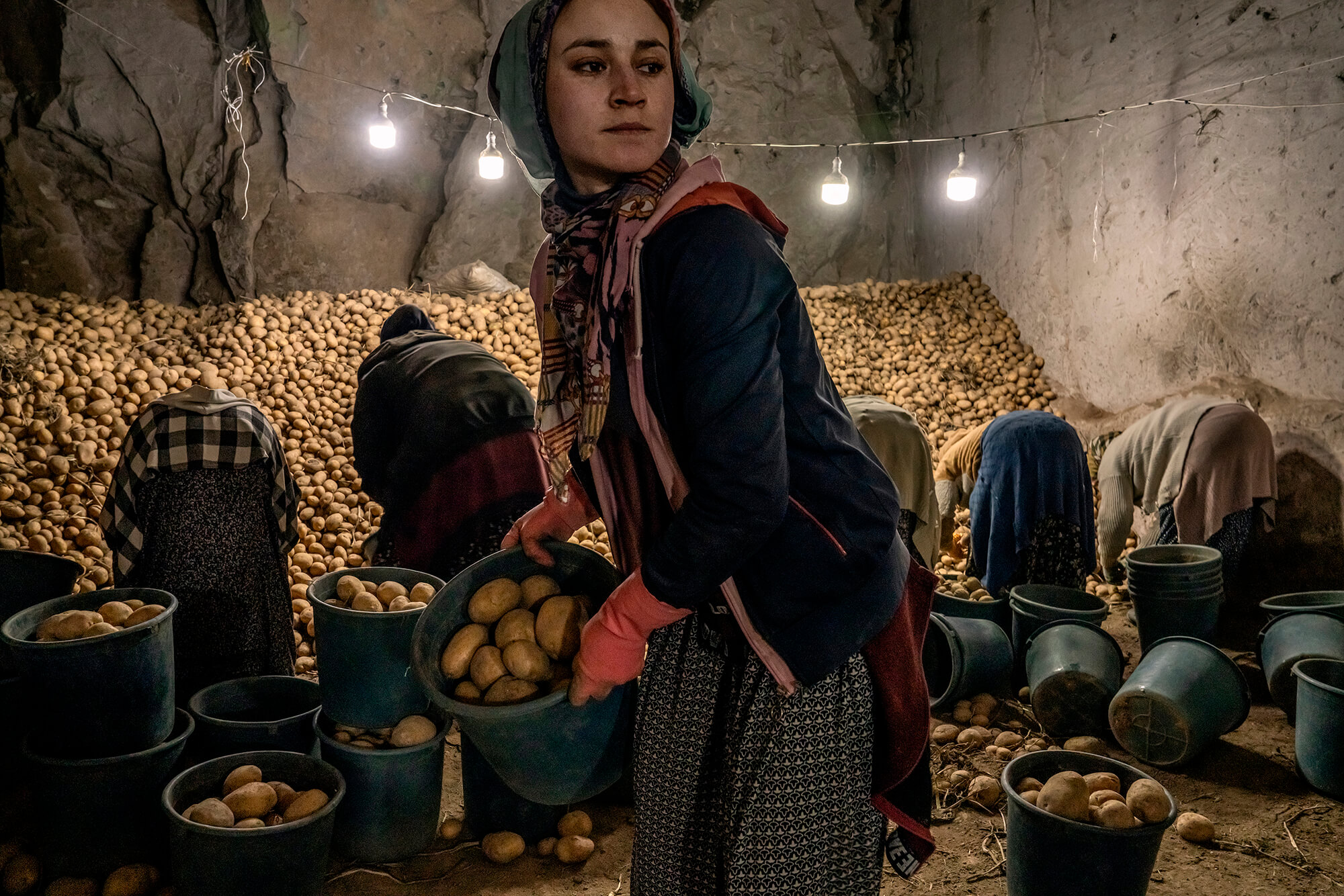
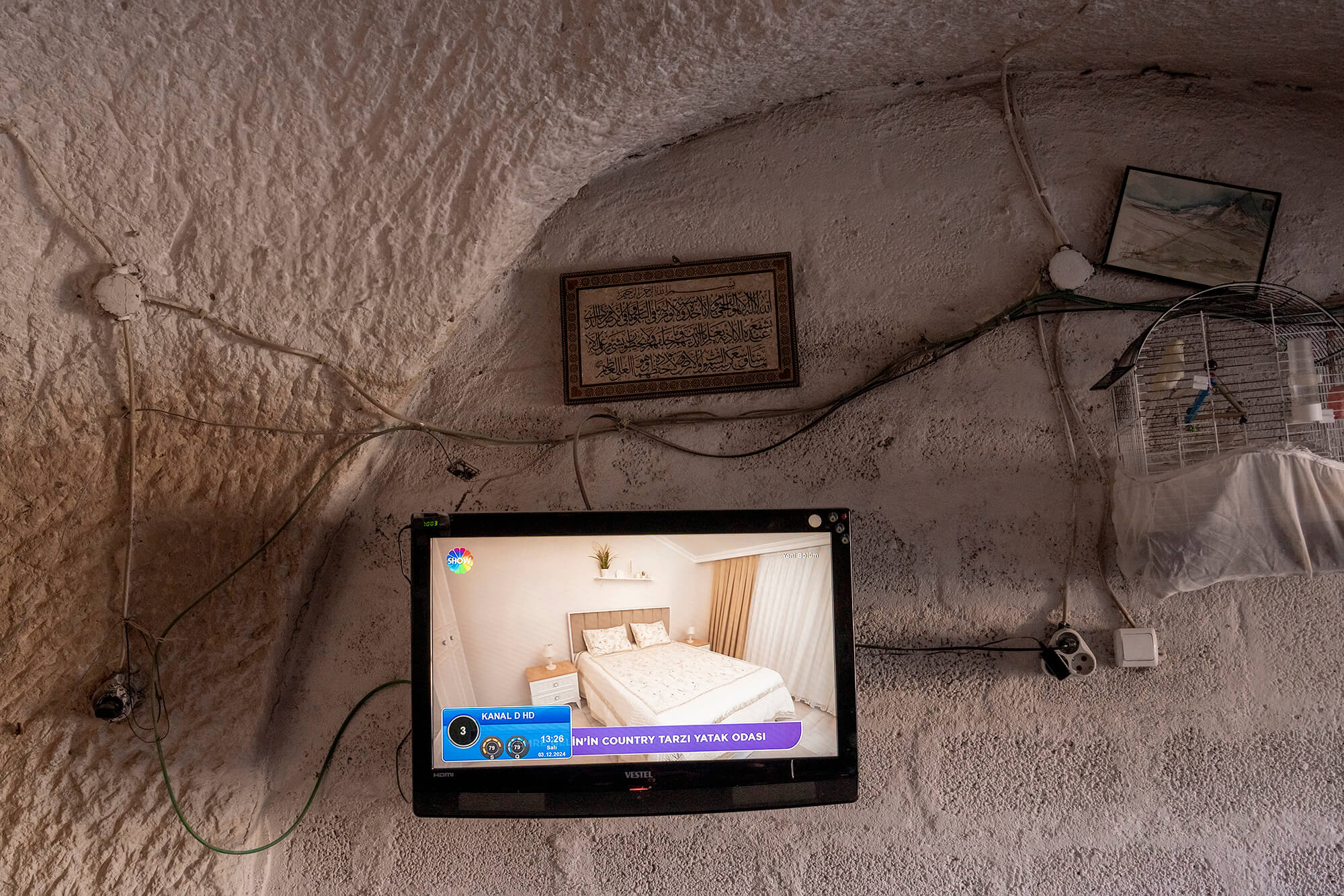
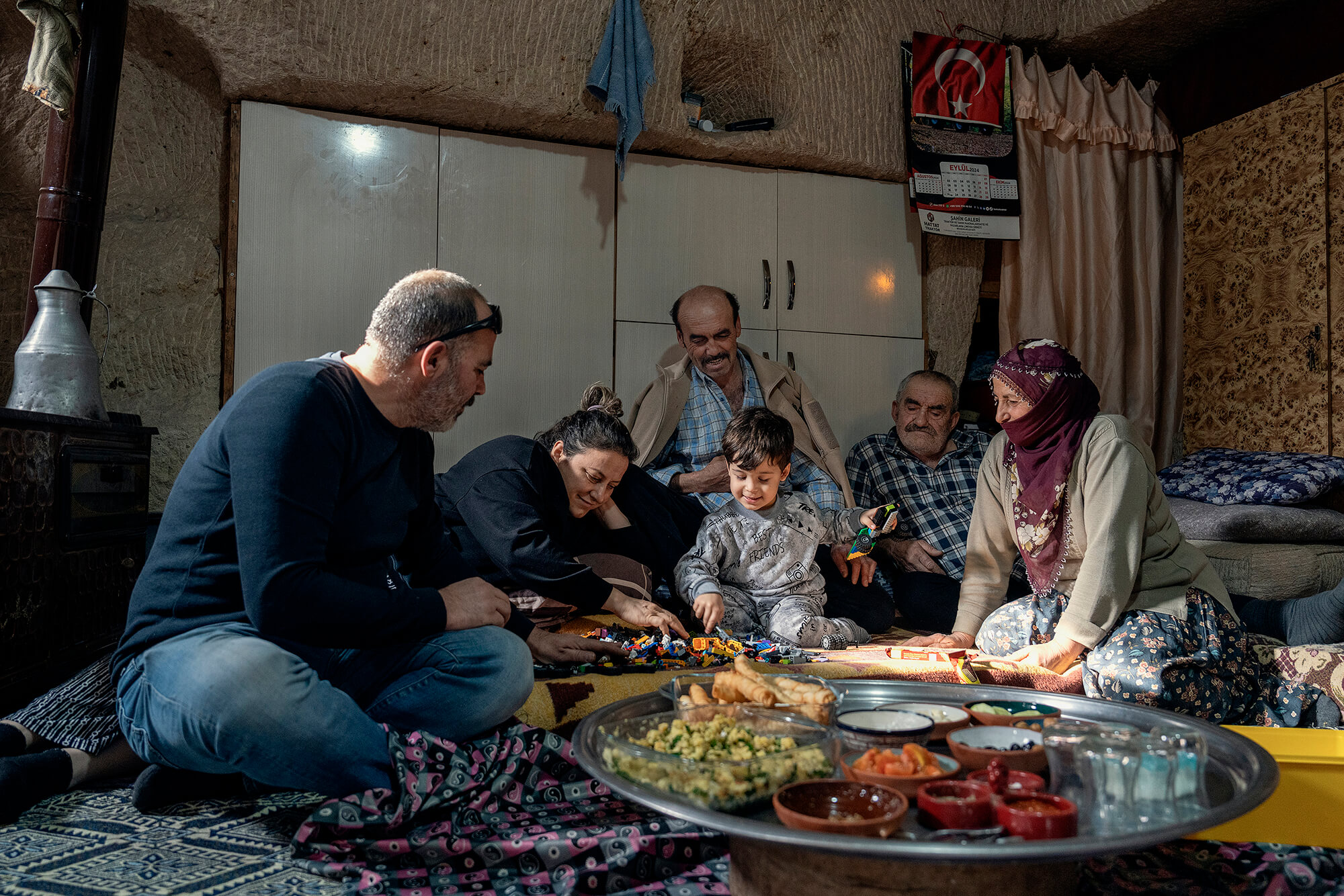
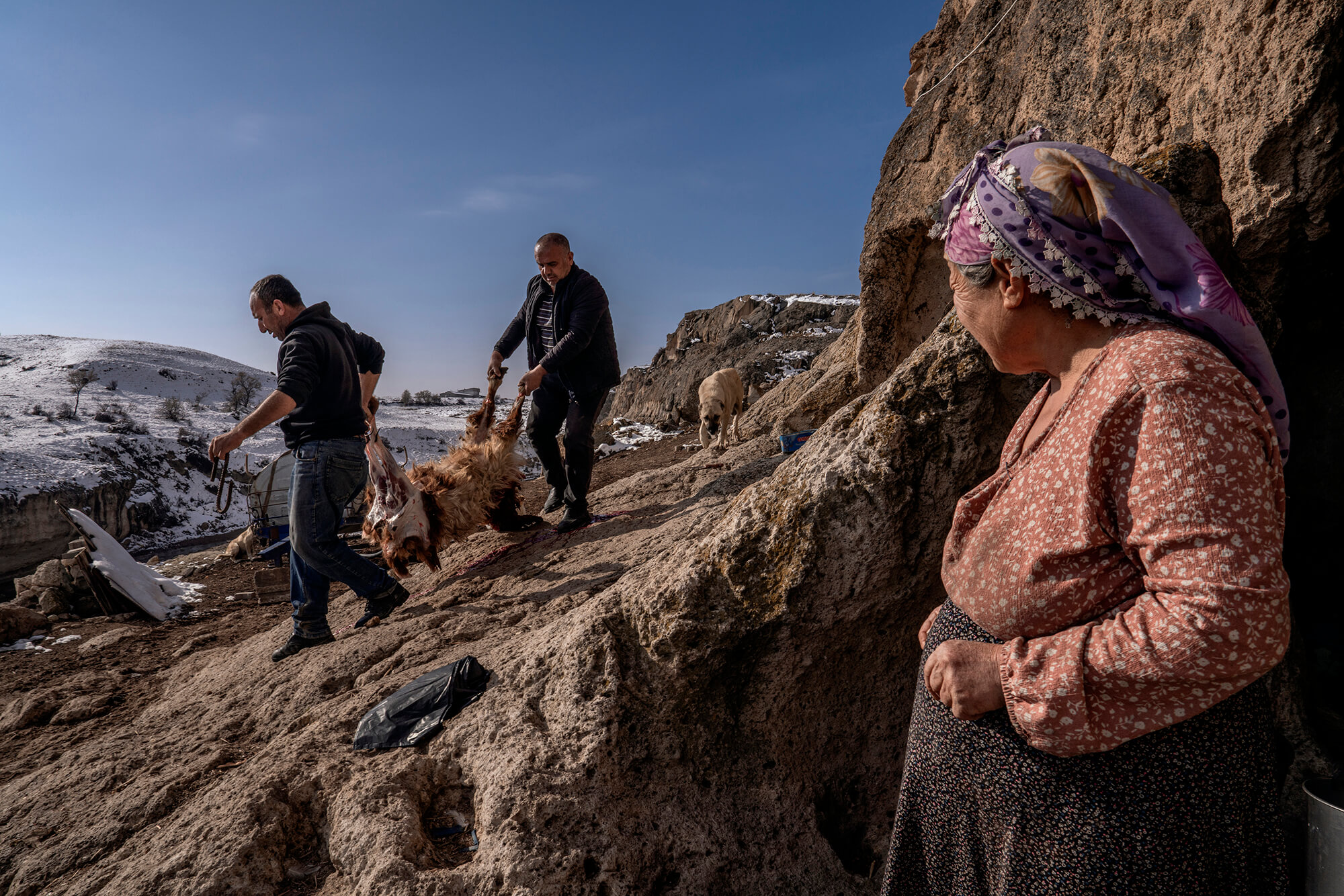
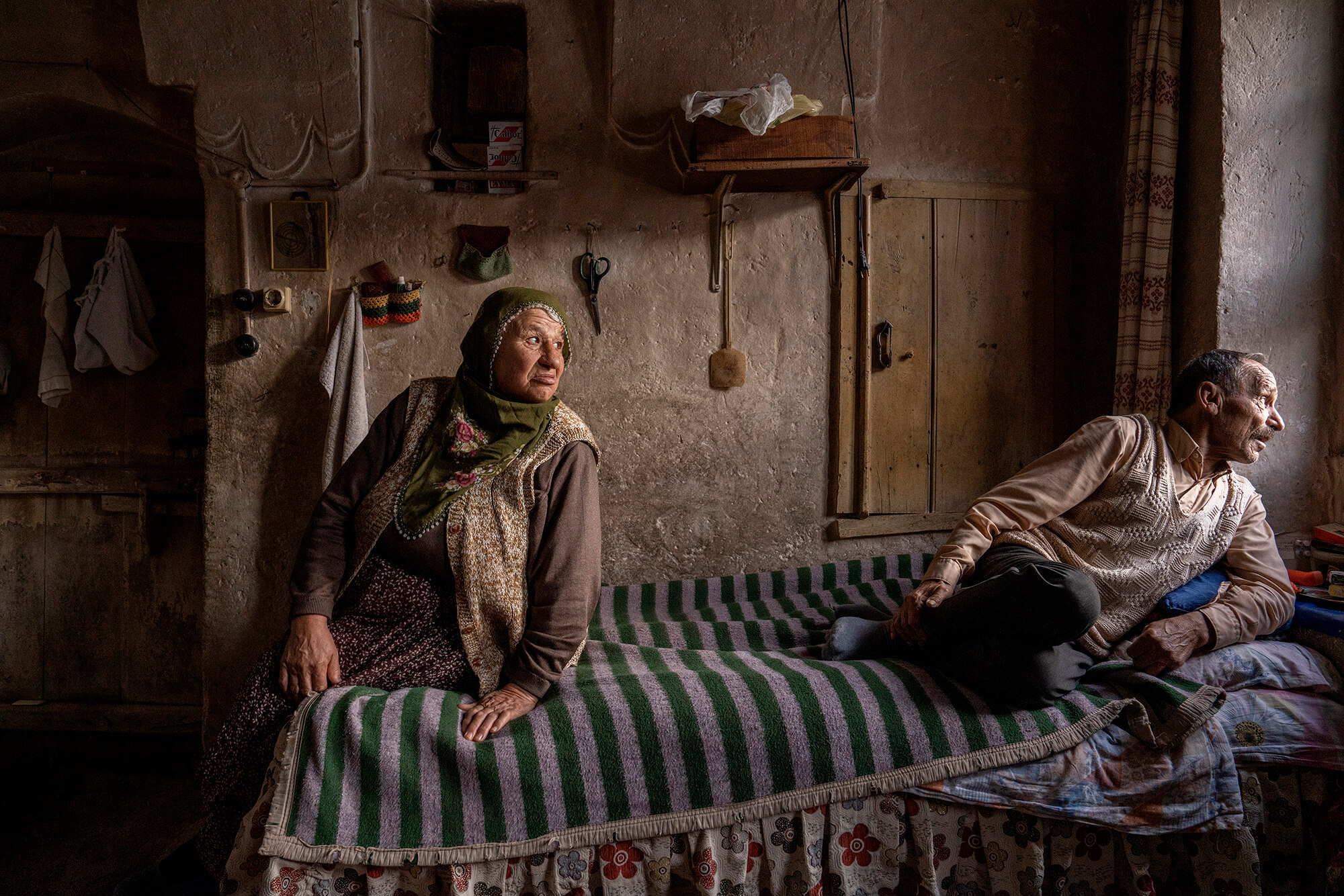
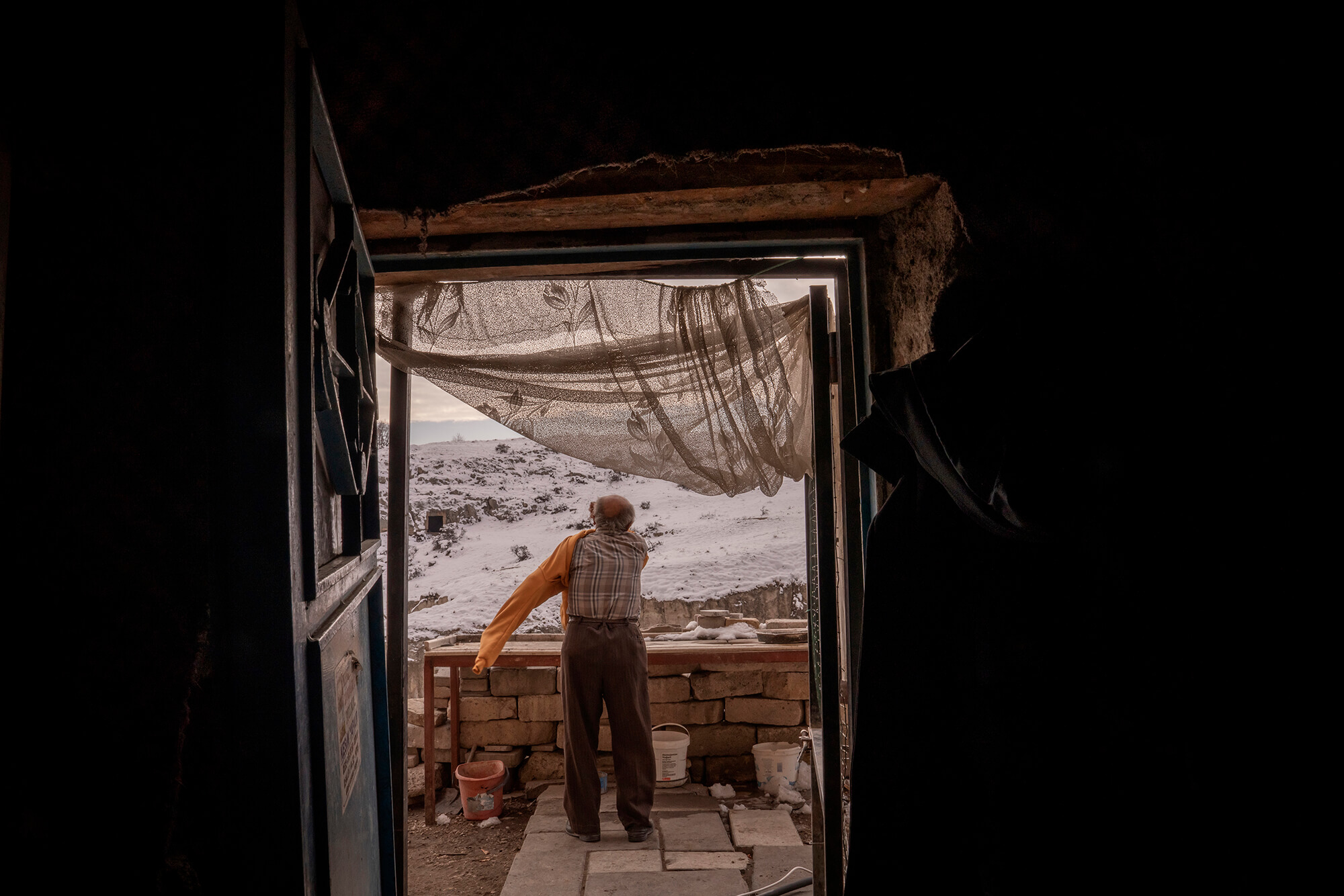
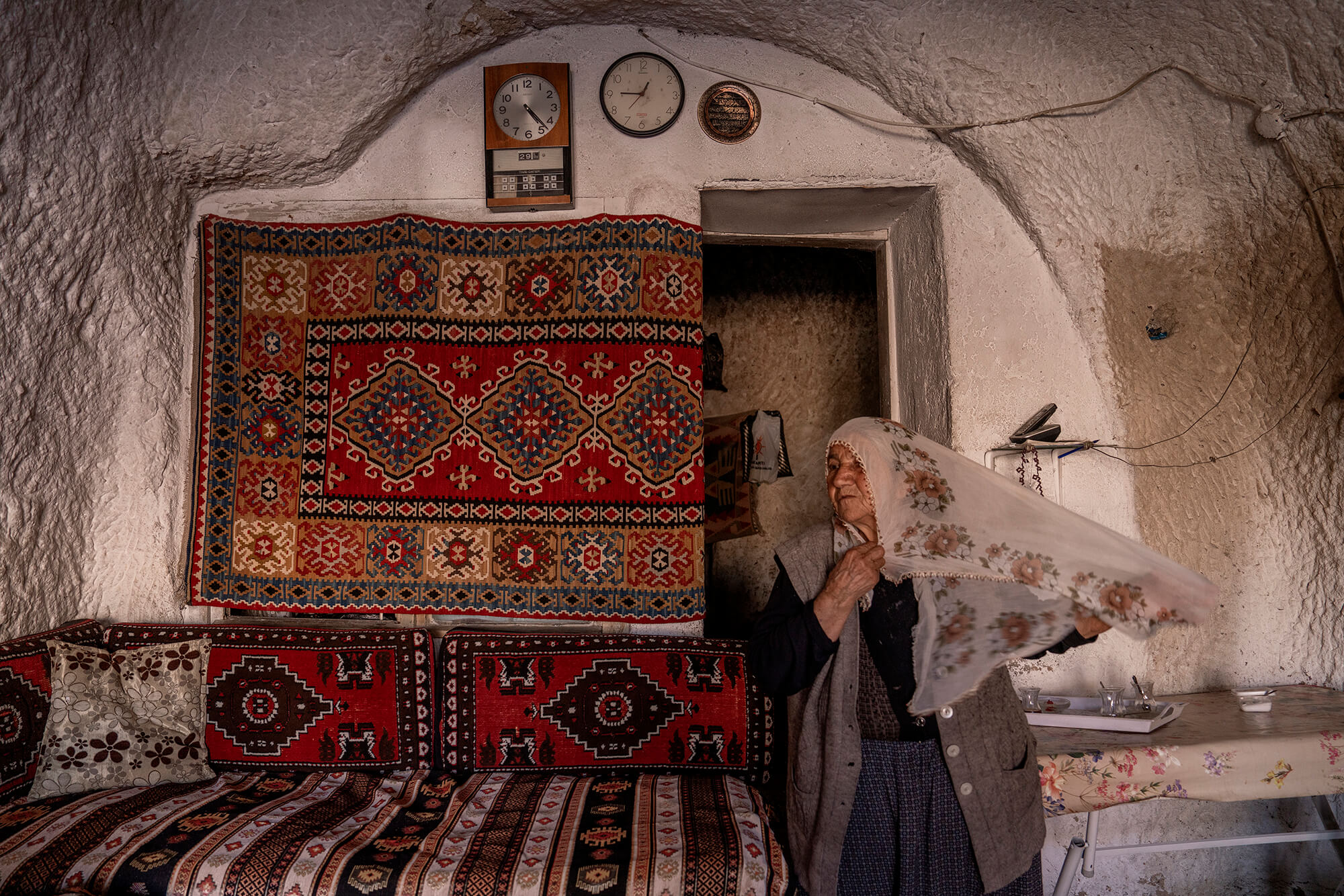
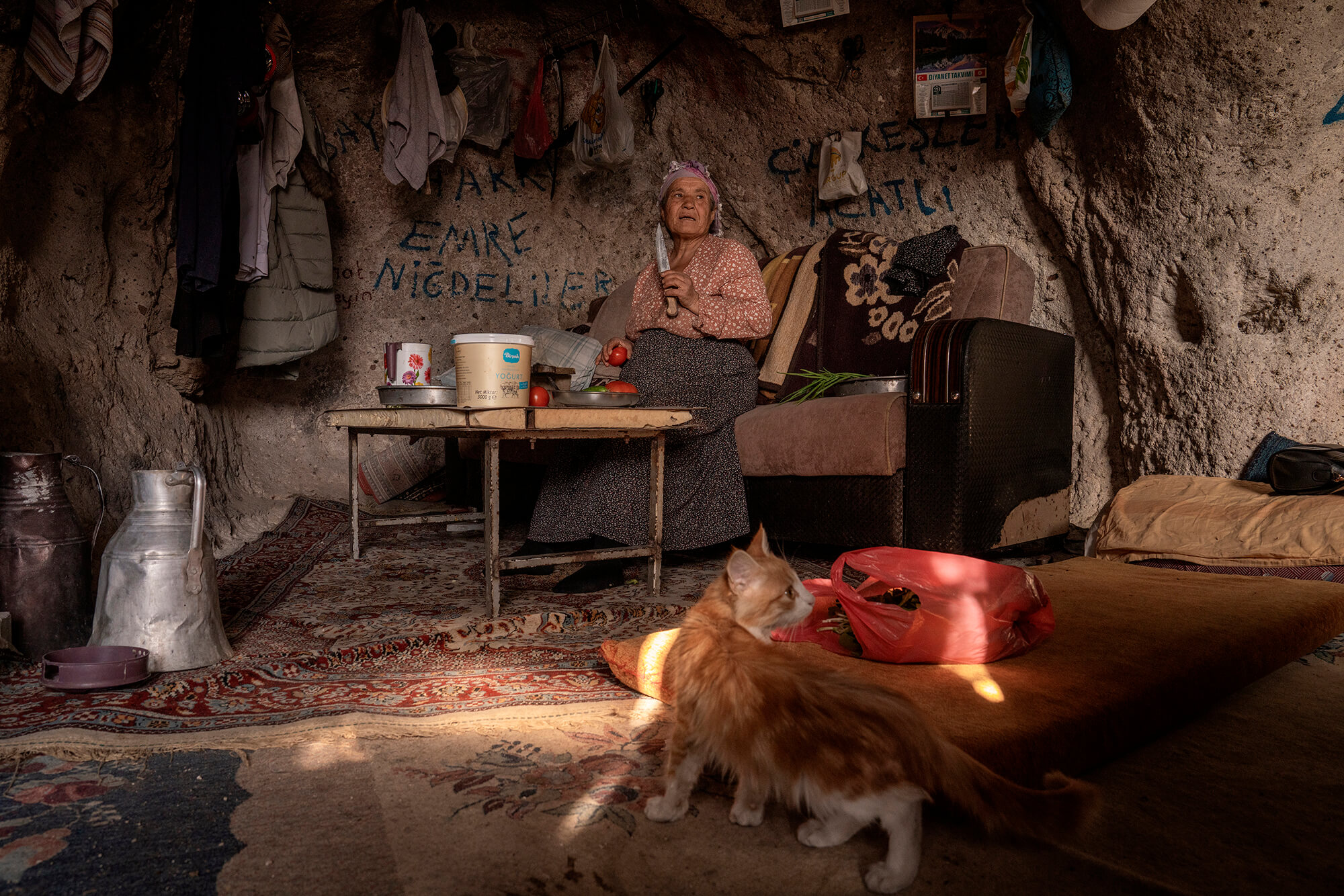
While these larger archaeological treasures haven’t been occupied in more than a hundred years, many of the individual homes carved into the area’s rocks are still in use. Oktay, 72, and Hanife Torun, 64, have lived in their cave home in the hilltop town of Ortahisar since their wedding day more than four decades ago. They are one of maybe 10 families left living full-time in a cave in all of Cappadocia, and they love it for a simple reason: It satisfies all their needs. The home has plumbing and electricity. The living room stays warm enough in winter, while the adjoining storage room, separated by a thick rock wall, maintains a stable, cool temperature that allows them to eat summer crops all year round. Rows of amphorae hold bulgur and lentils harvested five seasons ago, and walnuts and fresh fruit are stacked on silver trays.
While the Toruns have always seen the value in their cave home, the rest of the world has started to take notice too—nearly five million people visited Cappadocia in 2023. This tourist boom has prompted many locals to convert their cave homes into shops and hotels, and ancient storehouses into underground restaurants and bars. Recently, one of the Toruns’ neighbors sold his cave to hotel developers, leaving the couple completely surrounded by tourism projects. Now when they duck into their cave, they’re met with the low throb of a drill shaking the floor and trails of fine dust dropping from the ceiling.
Oktay and Hanife’s son, Rıfat, 45, grew up playing hide-and-seek in the maze of carved churches and catacombs beneath the family home. Now, like almost everyone here, he works in the hospitality industry, driving visitors from all over the world from one attraction to the next.
The steady advance of tourism in Ortahisar is likely to force the family out before too long. “If we have to leave, we will sell everything and end up living just like everyone else,” says Hanife, tears welling in her eyes. Many of those who’ve moved out of the caves around Cappadocia have ended up in the city of Nevşehir, where squat apartment blocks with double-glazed windows and enclosed balconies crowd basketball courts and shops. “Living in an apartment is like a jail,” says Hanife, as she rushes about her house filling bowls with fruit and vegetables from the storerooms. While she skins a plait of green onions onto a tray, fresh milk from the family’s two cows bubbles on a stove to make cheese. “When I open the door, I need to breathe fresh air and see the valley.”
Text by John Bartlett.