Ha Kome 2024
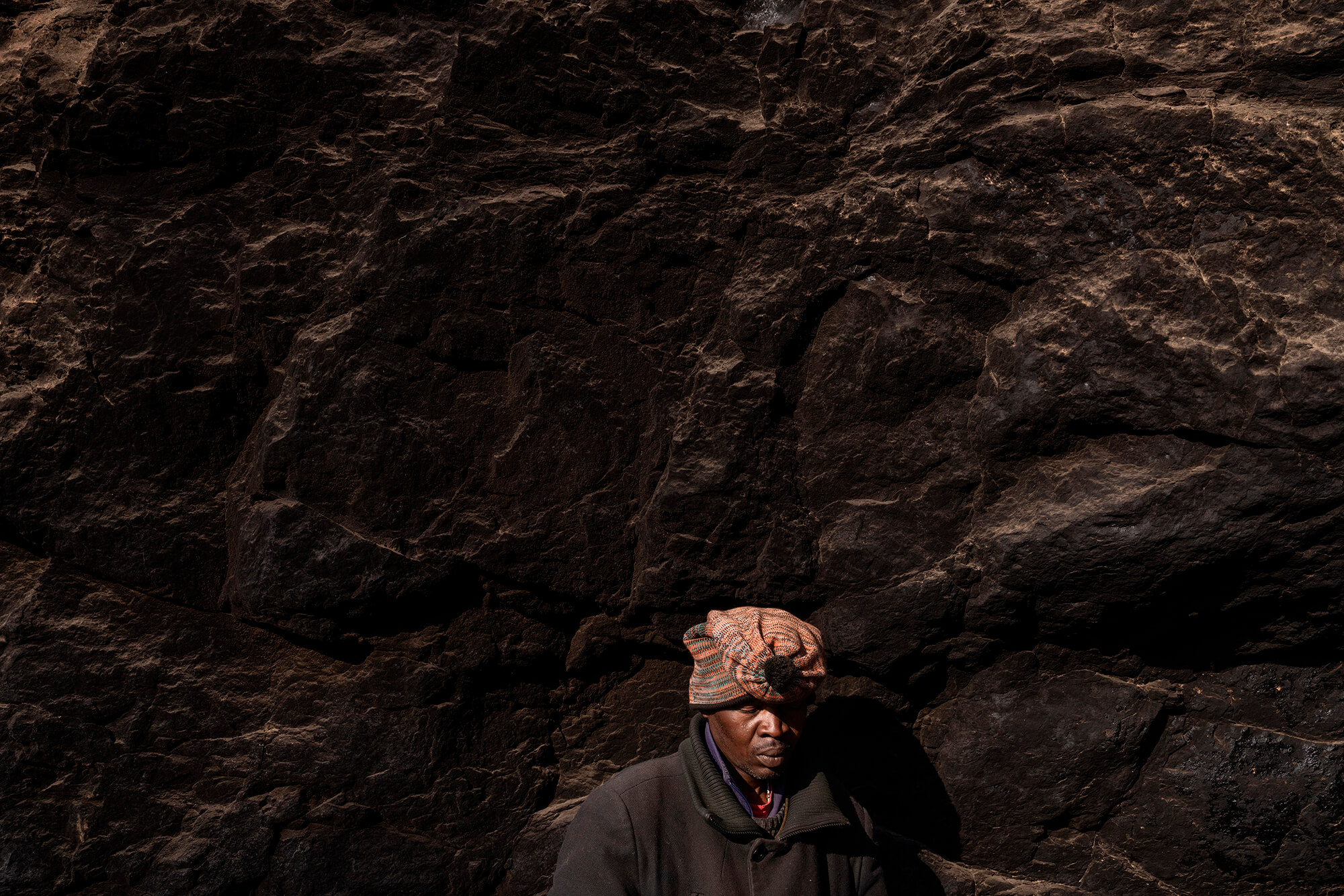
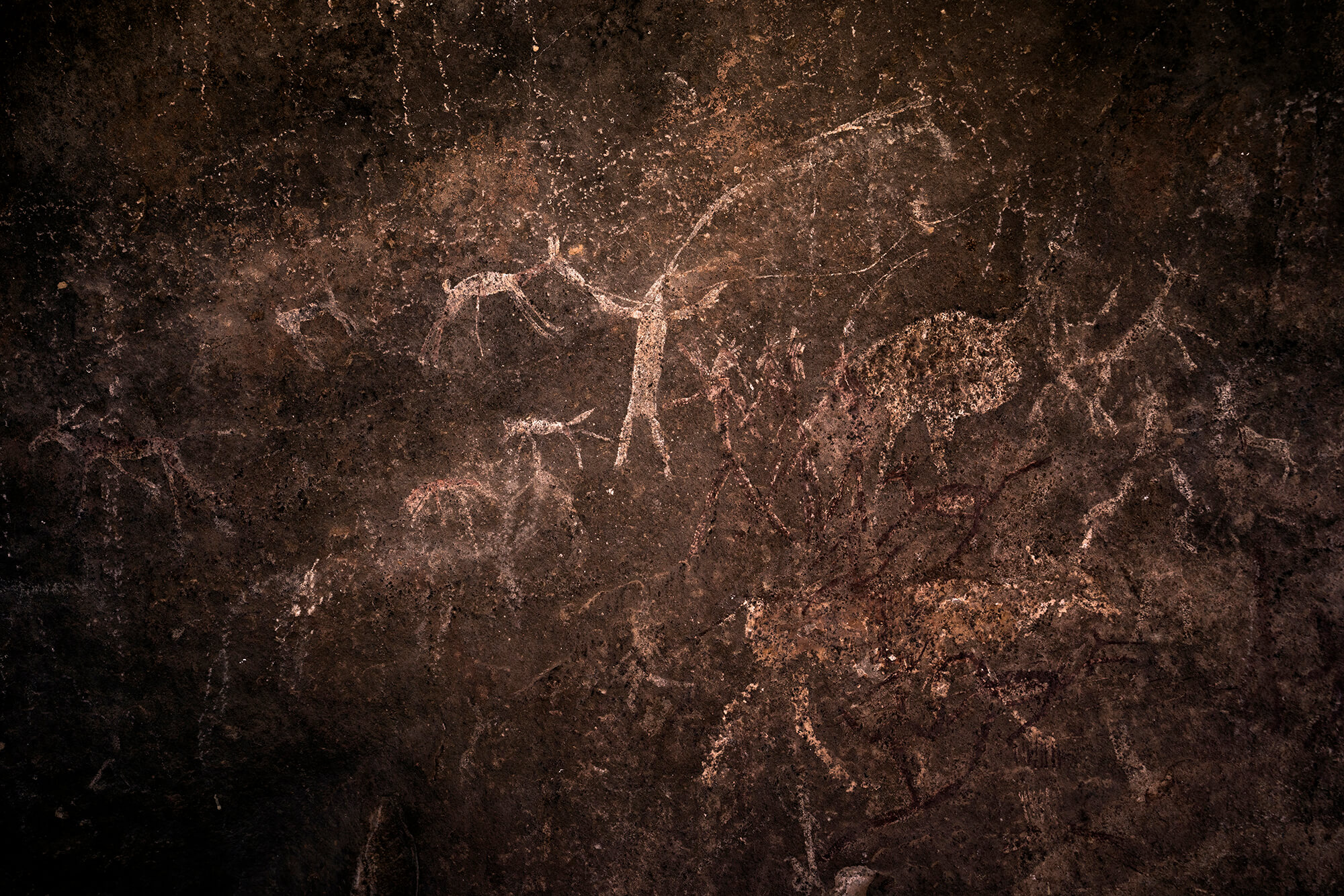
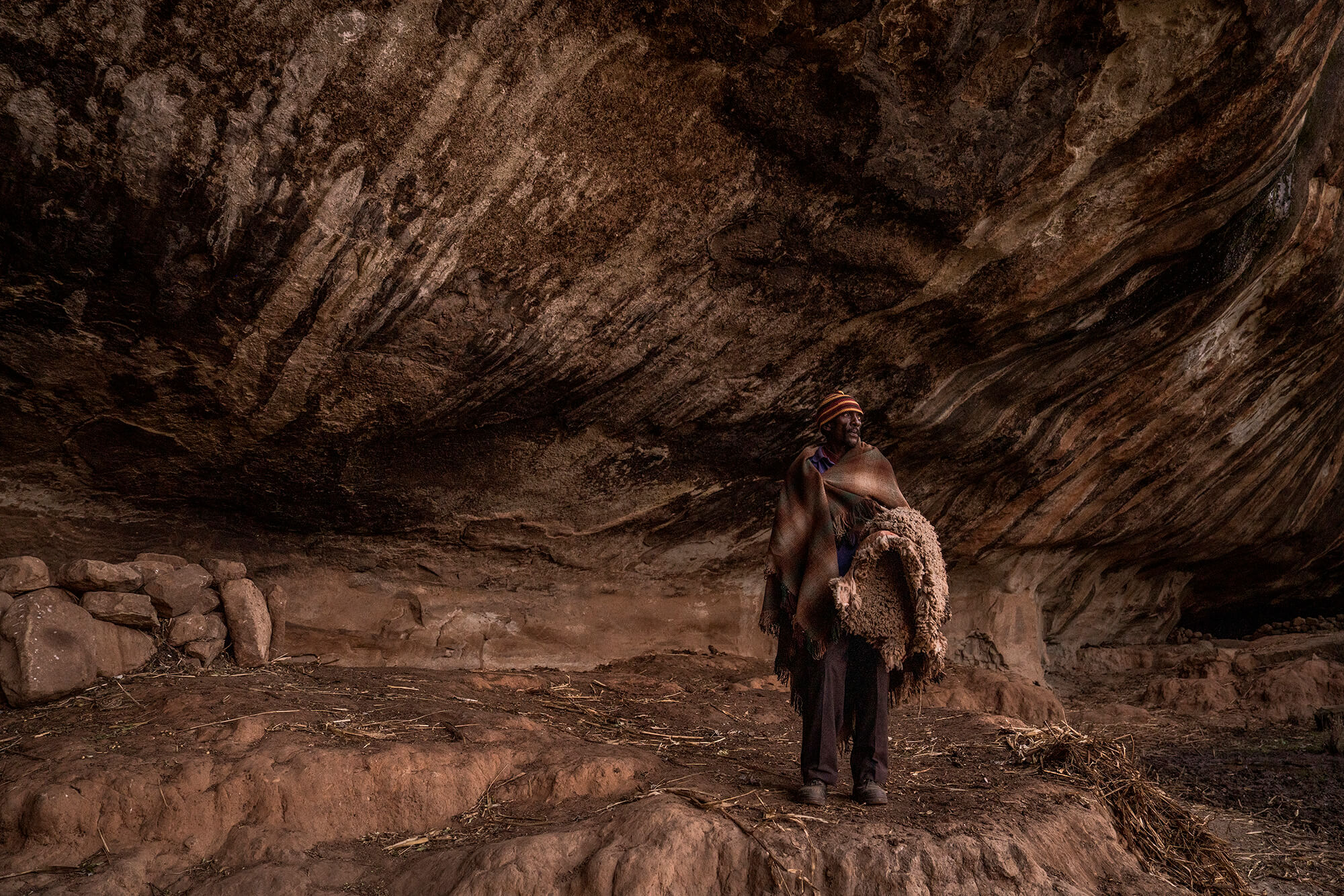
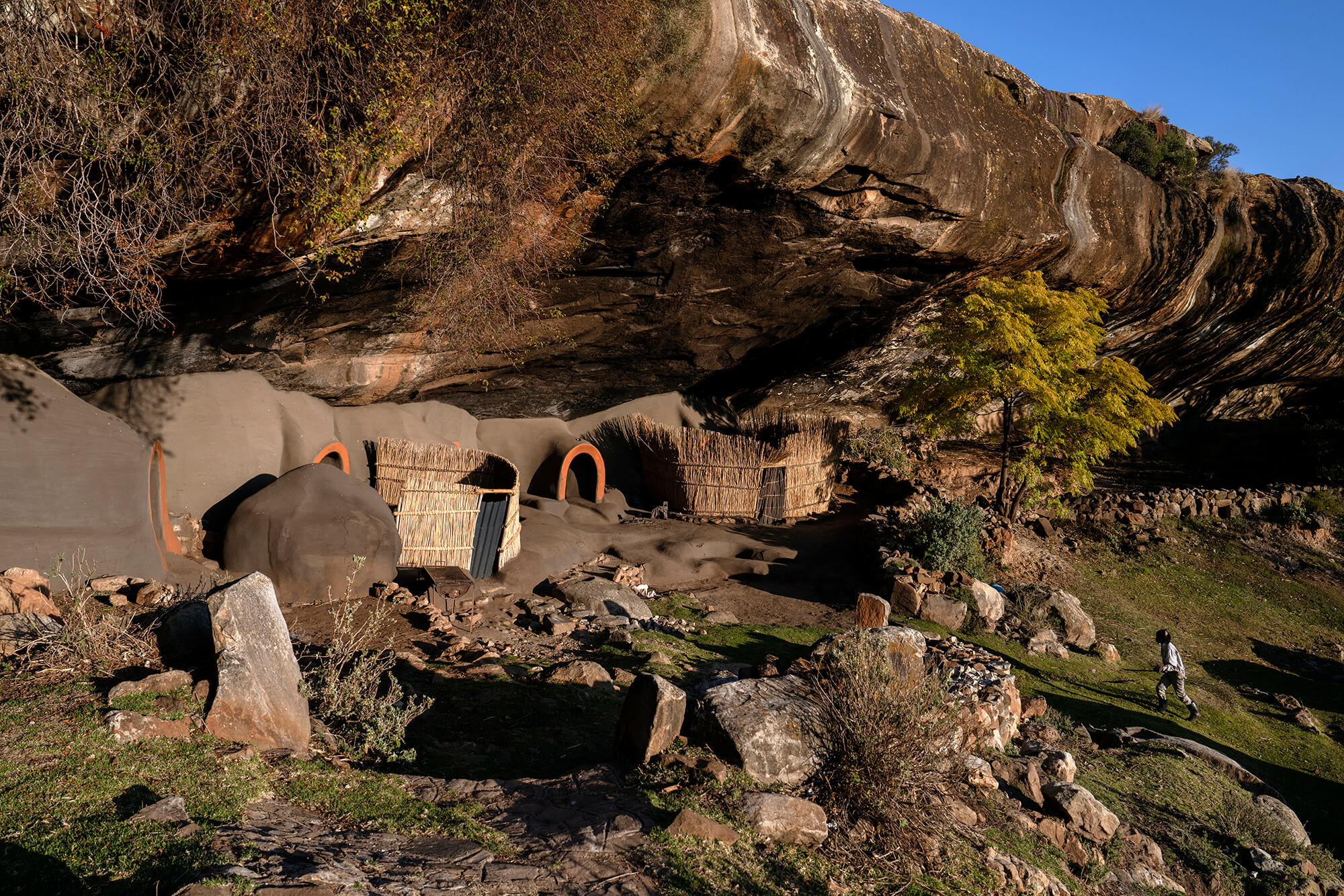
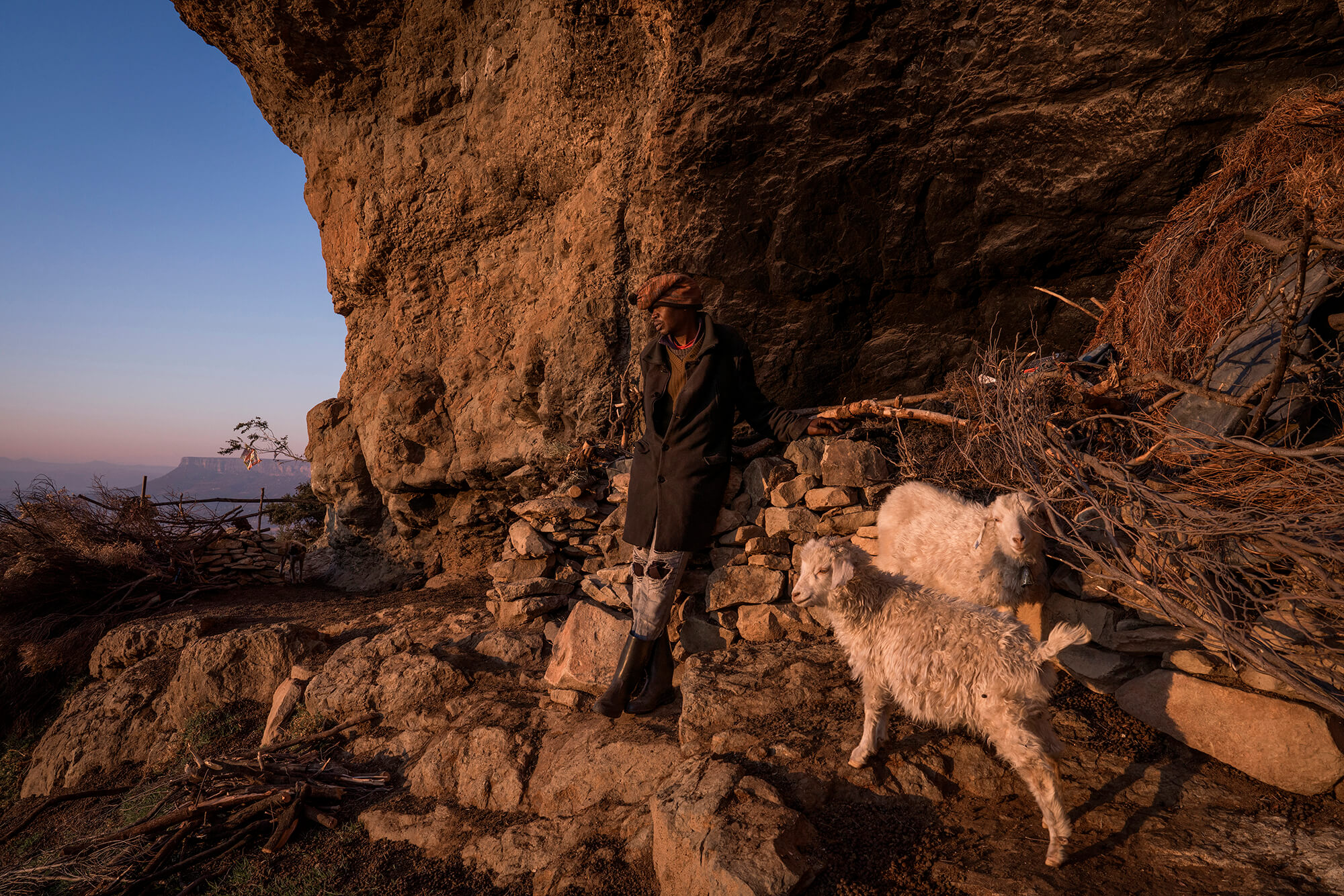
The cave at Ha Kome has always been a place of last resort. In the early 19th century, a Basotho chief named Kome led his tribe into the Maloti mountains, fleeing a period of war that displaced millions of people throughout southern Africa and led to countless deaths. Kome came across a vast, east-facing cave surrounded by steep valleys and mountainous plateaus and set up camp. The location was “strategic for security reasons during those times,” says Joshua Chakawa, a senior lecturer in the Department of Historical Studies at the National University of Lesotho. Members of Kome’s tribe, he says, were able to shield themselves and, critically, their livestock from the violence.
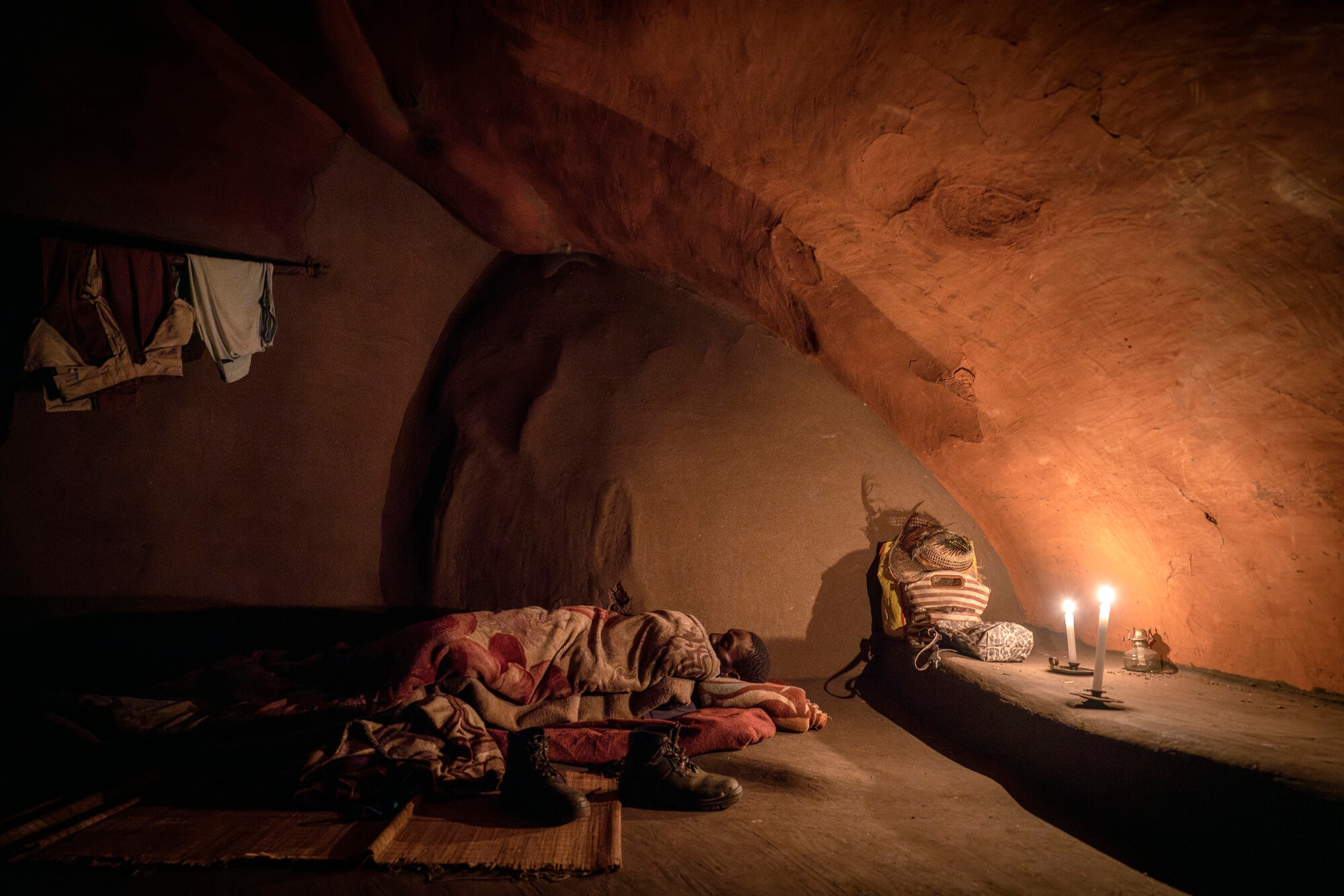
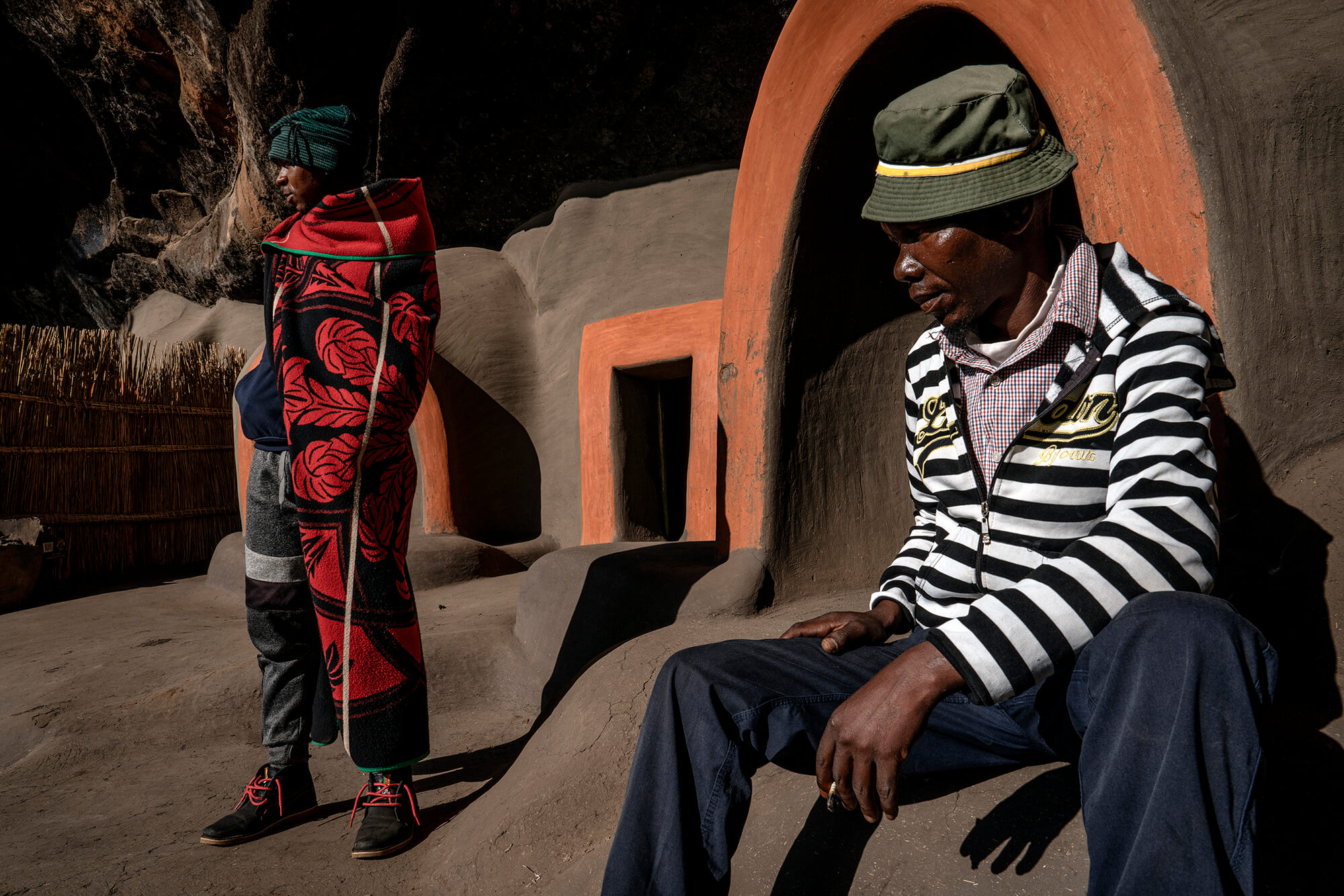
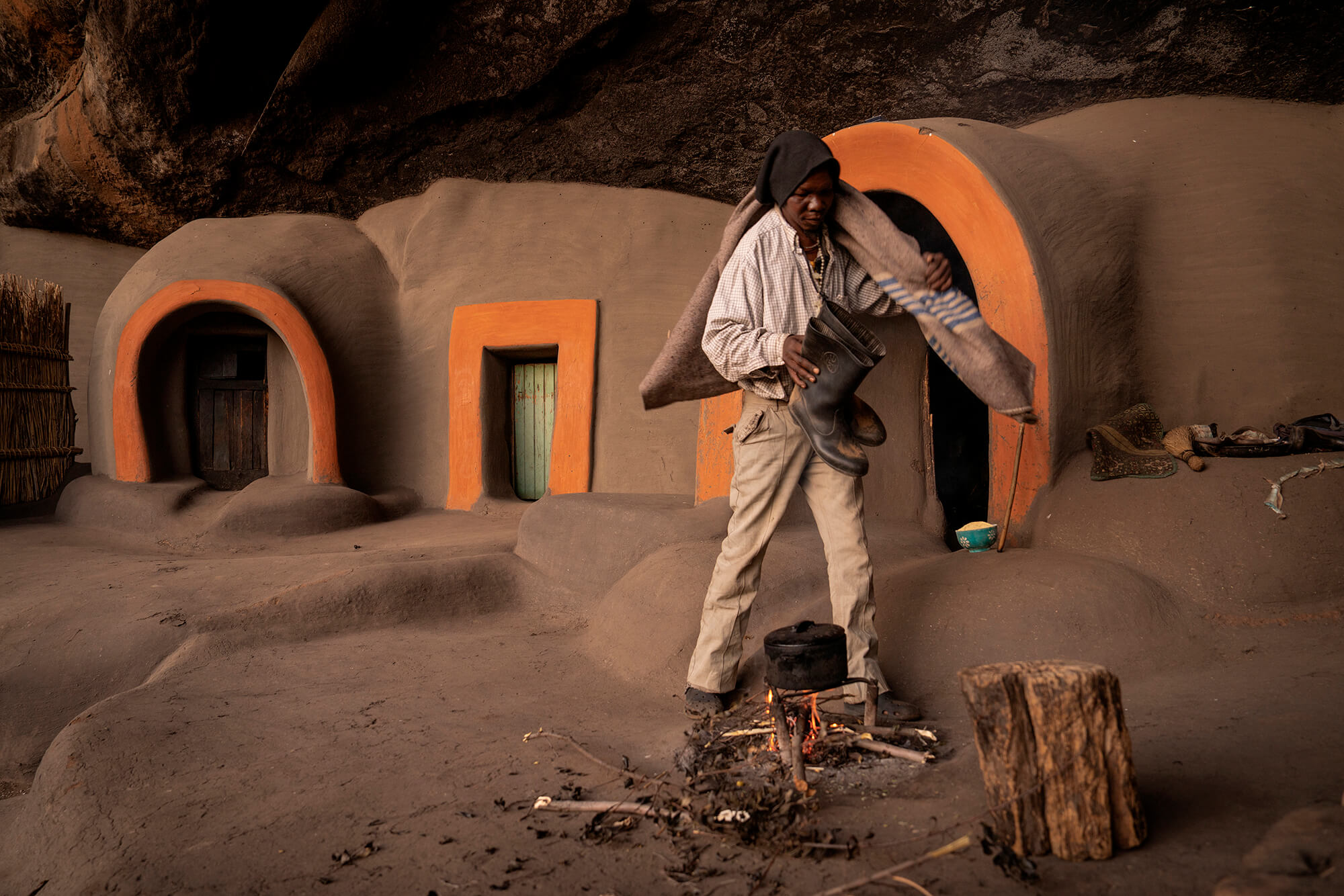
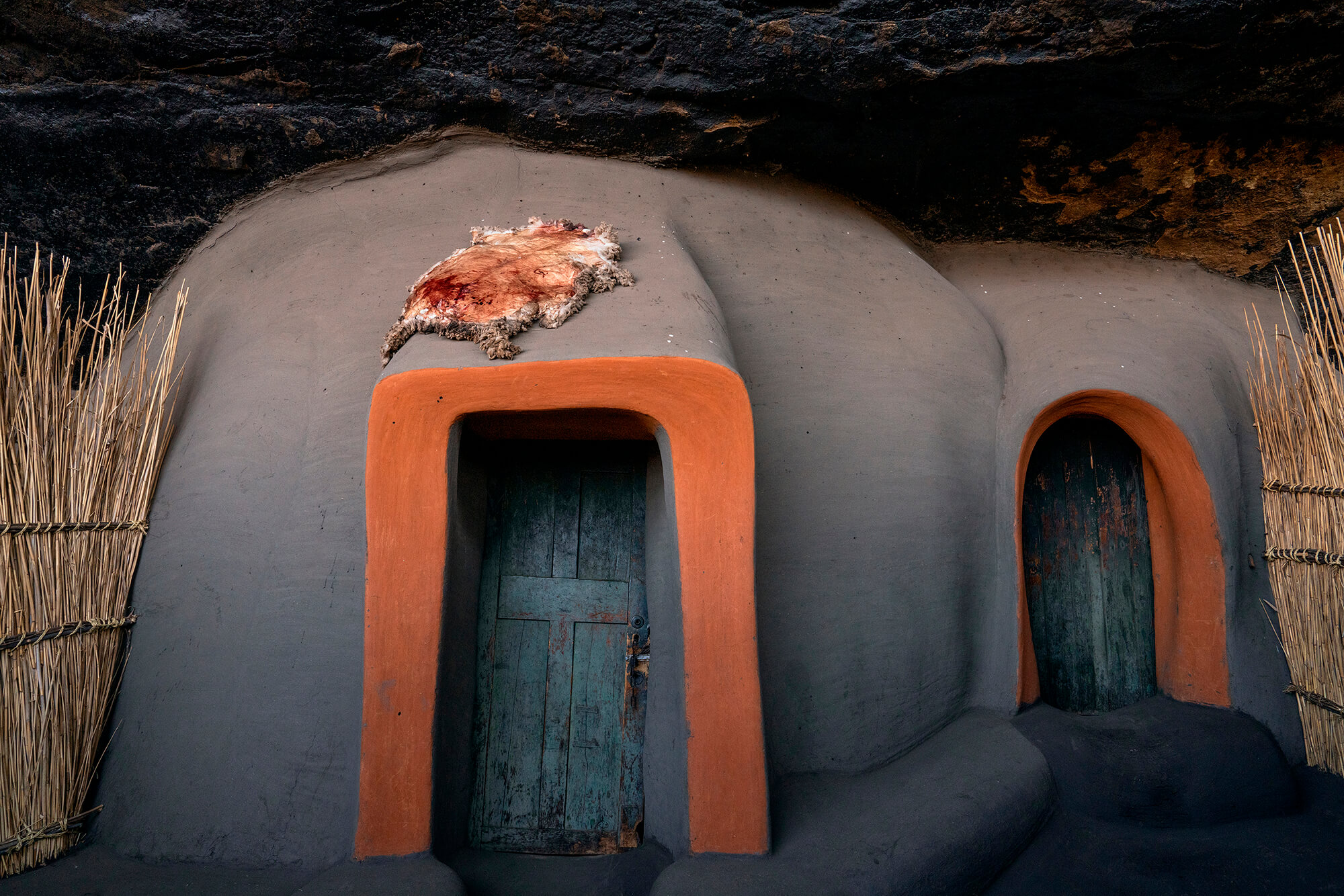
Eventually, the tribe built individual homes within the Ha Kome cave, molding six-foot-high domed huts from sticks, mud, and dung before smearing orange clay around the low doorways. Locals dubbed the cave the mahalapane—or palate—imagining it as a huge open mouth.
At the turn of the 21st century, 33 of Kome’s tribal descendants still lived in the huts beneath the rock. Over the past two decades, nearly everyone has moved to a cinder-block village constructed on the bedrock above the cave, where the homes are basic but provide little comforts like glass windows and are more pleasant than the huts within a cave.
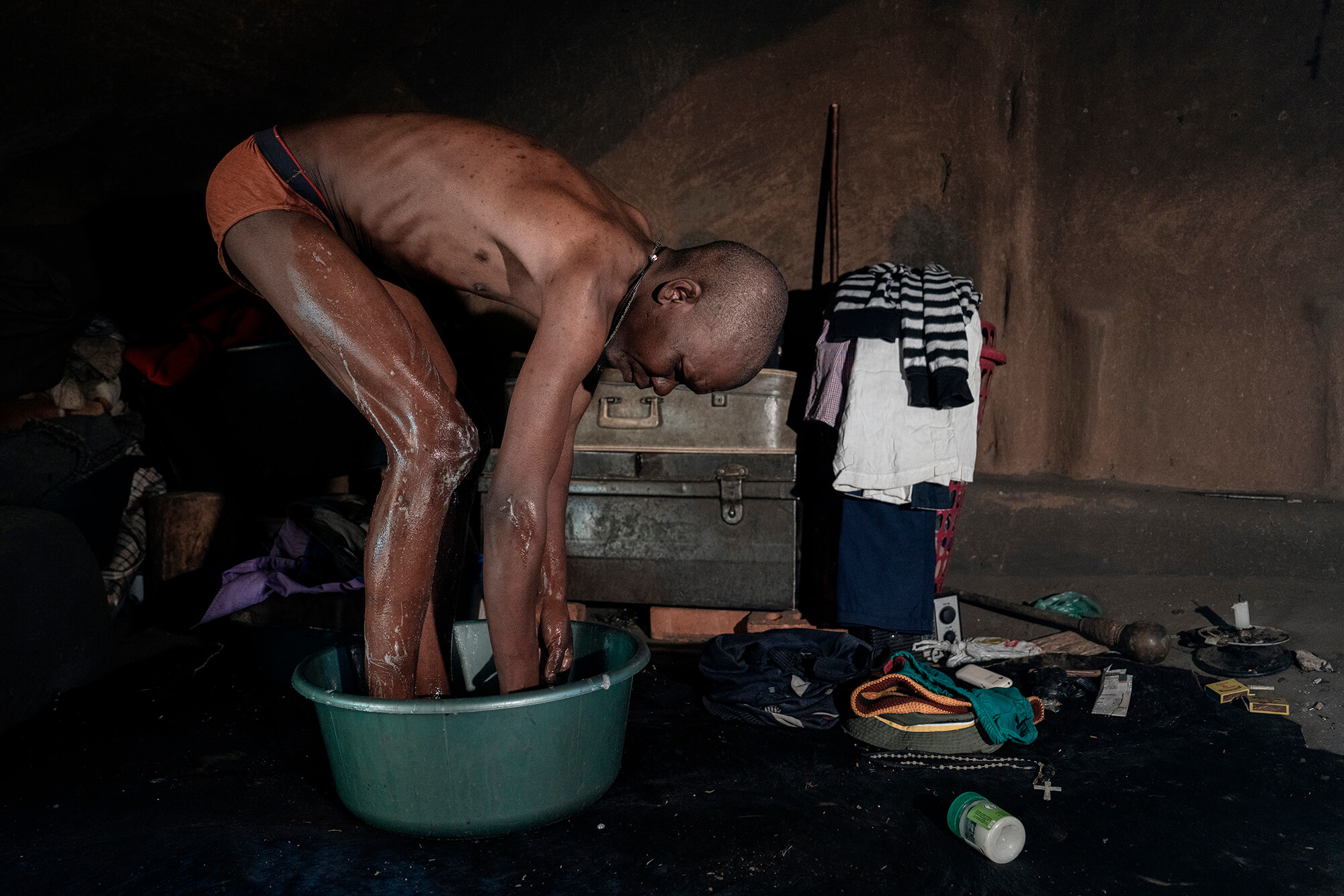
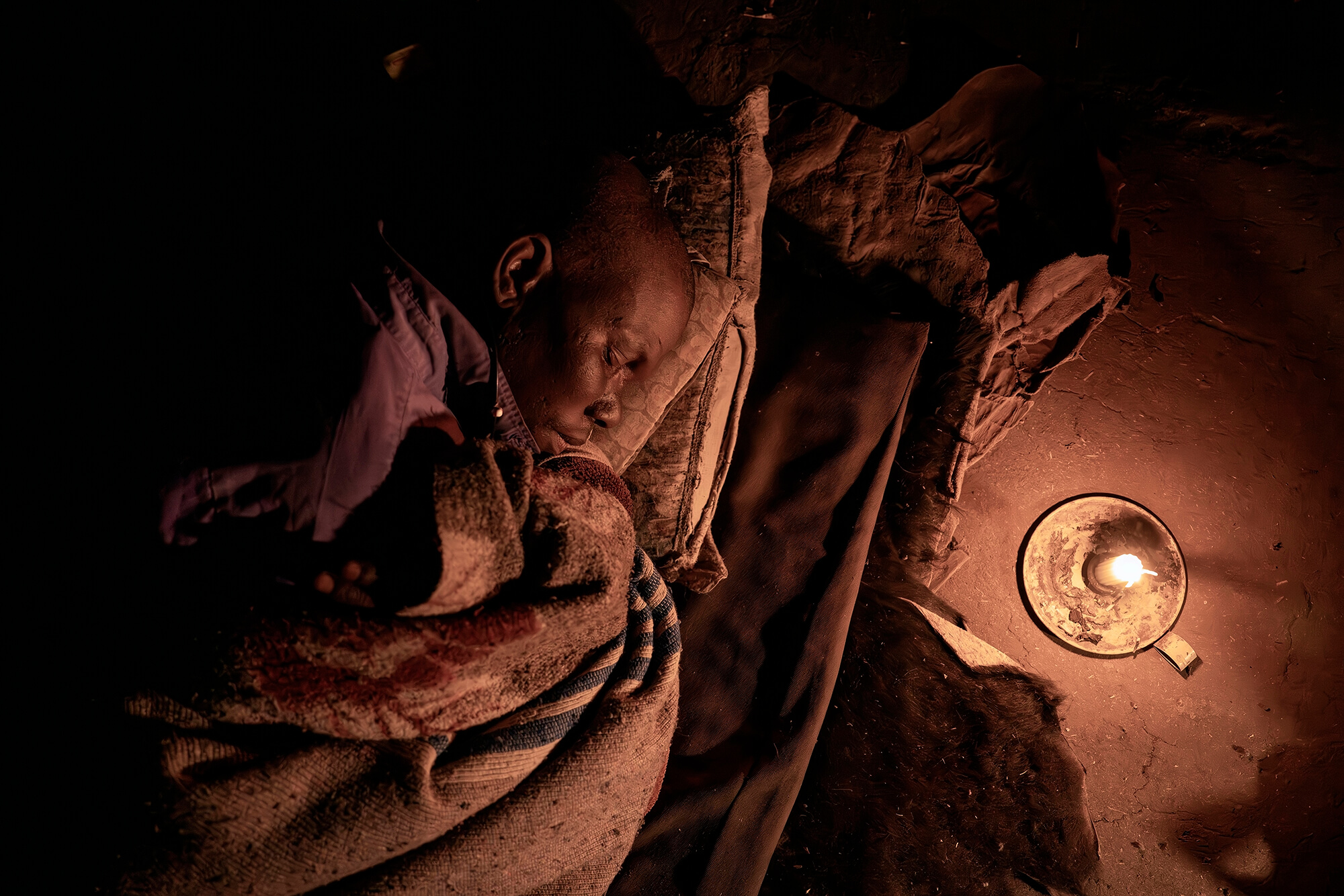
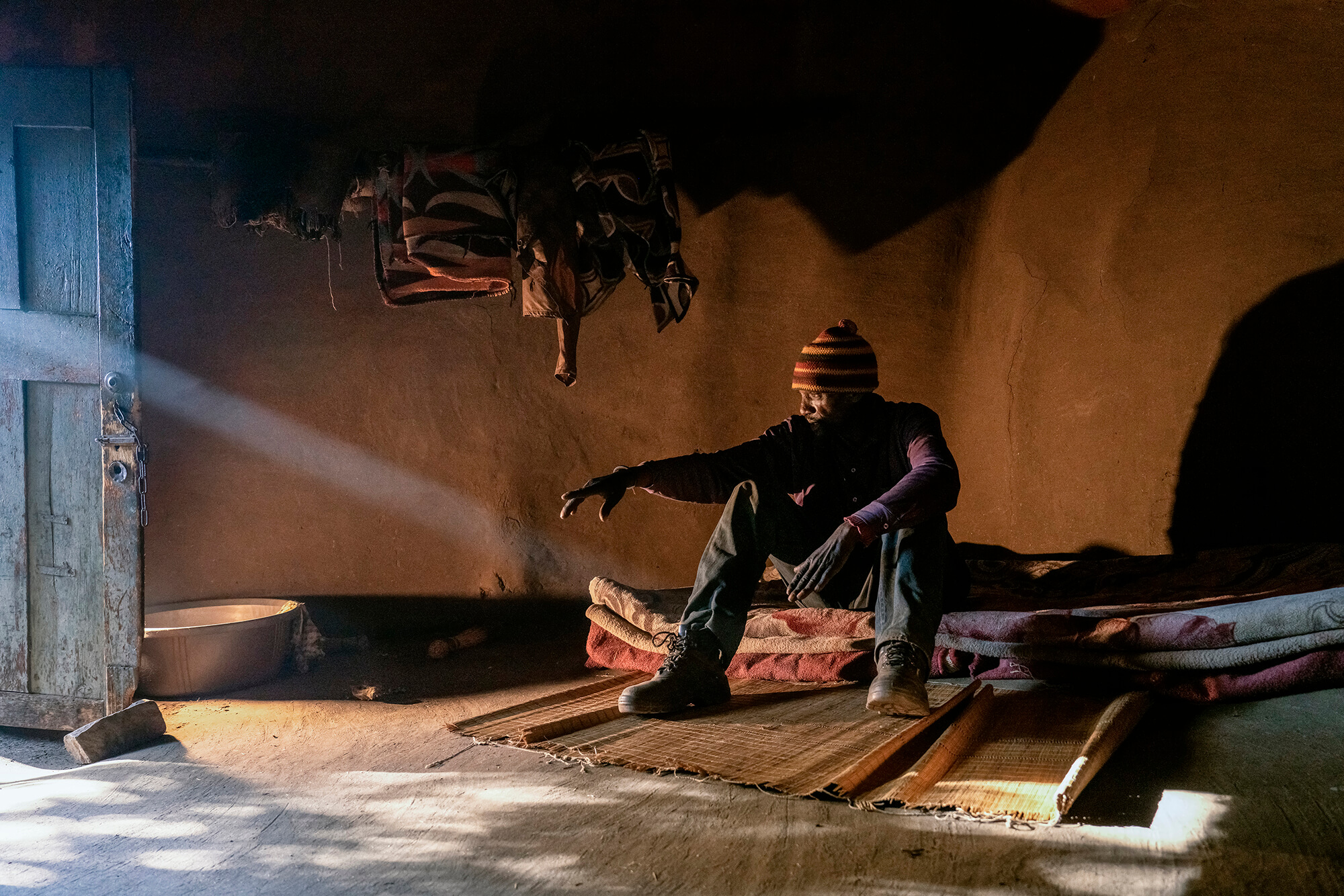
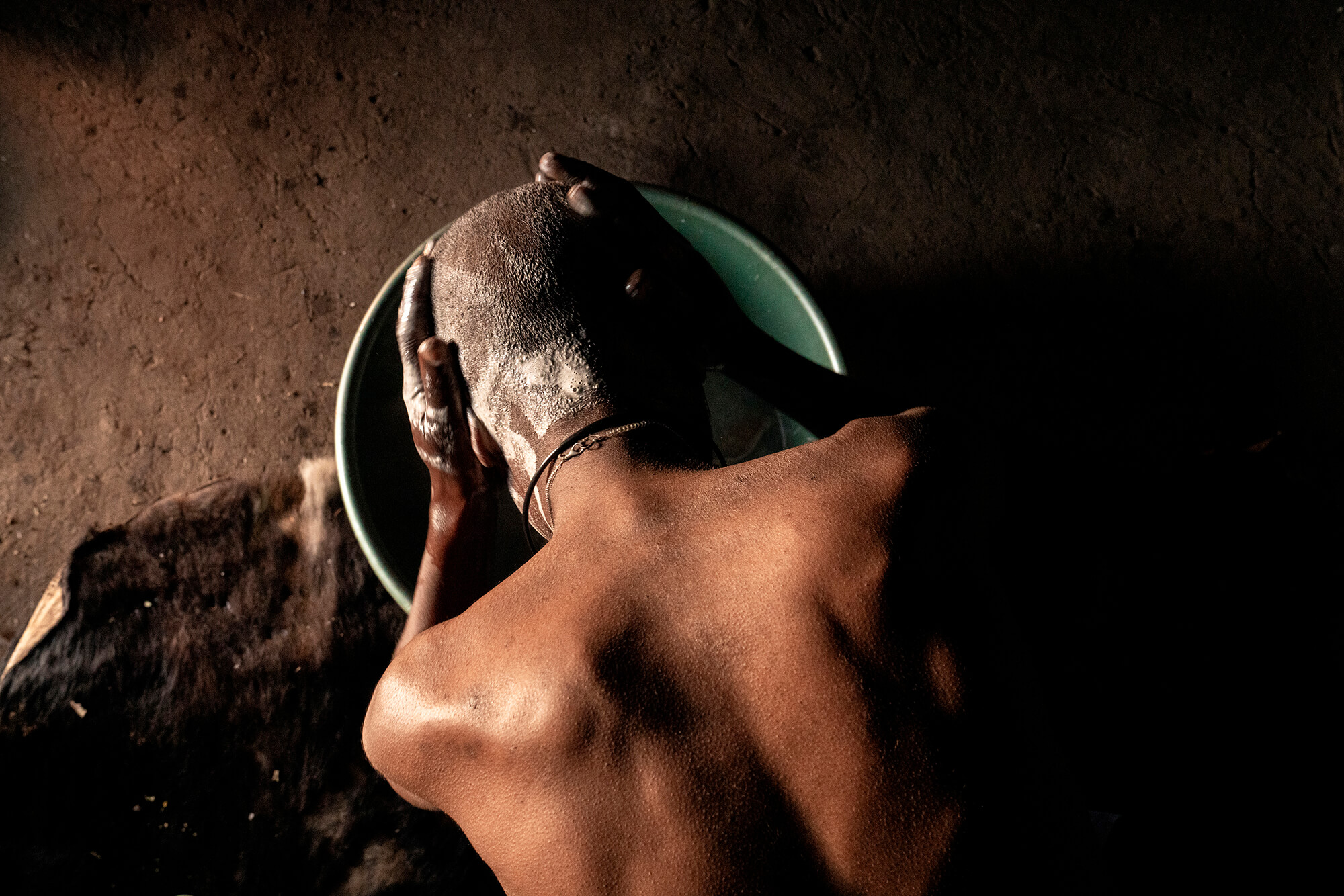
But the mahalapane is still a place of refuge and security for those in need. Ntefane Ntefane, a 41-year-old farmer, can’t afford to build a home in the village, so he lives in the cave, sleeping on a bundle of animal skins and washing his clothes in the Phuthiatsana River, which flows past the cave’s mouth. He sweeps the dust out of his house with a straw broom and shovels it into a small fire grate, where an old teapot sits over the flames. Inside, he has a few empty candleholders set on a shelf in the corner, and three leather suitcases are stacked beside buckets and washbowls.
Adjacent is Sebastian Khuts’oane, 58, who is using the one-room hut where he raised his children. It’s a quick solution to a temporary problem: His daughter-in-law is visiting from South Africa, and he’s given her and her family his home in the village.
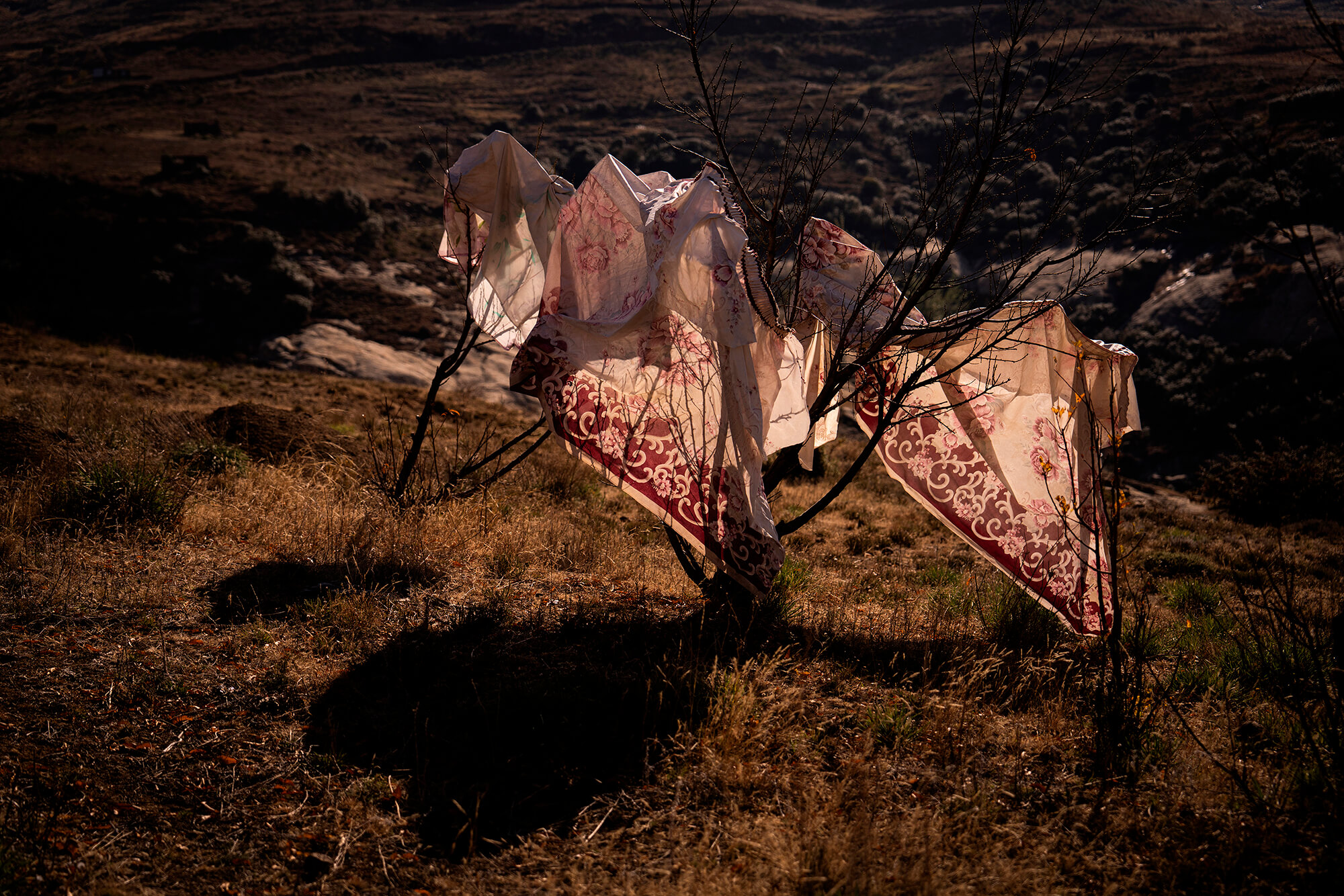
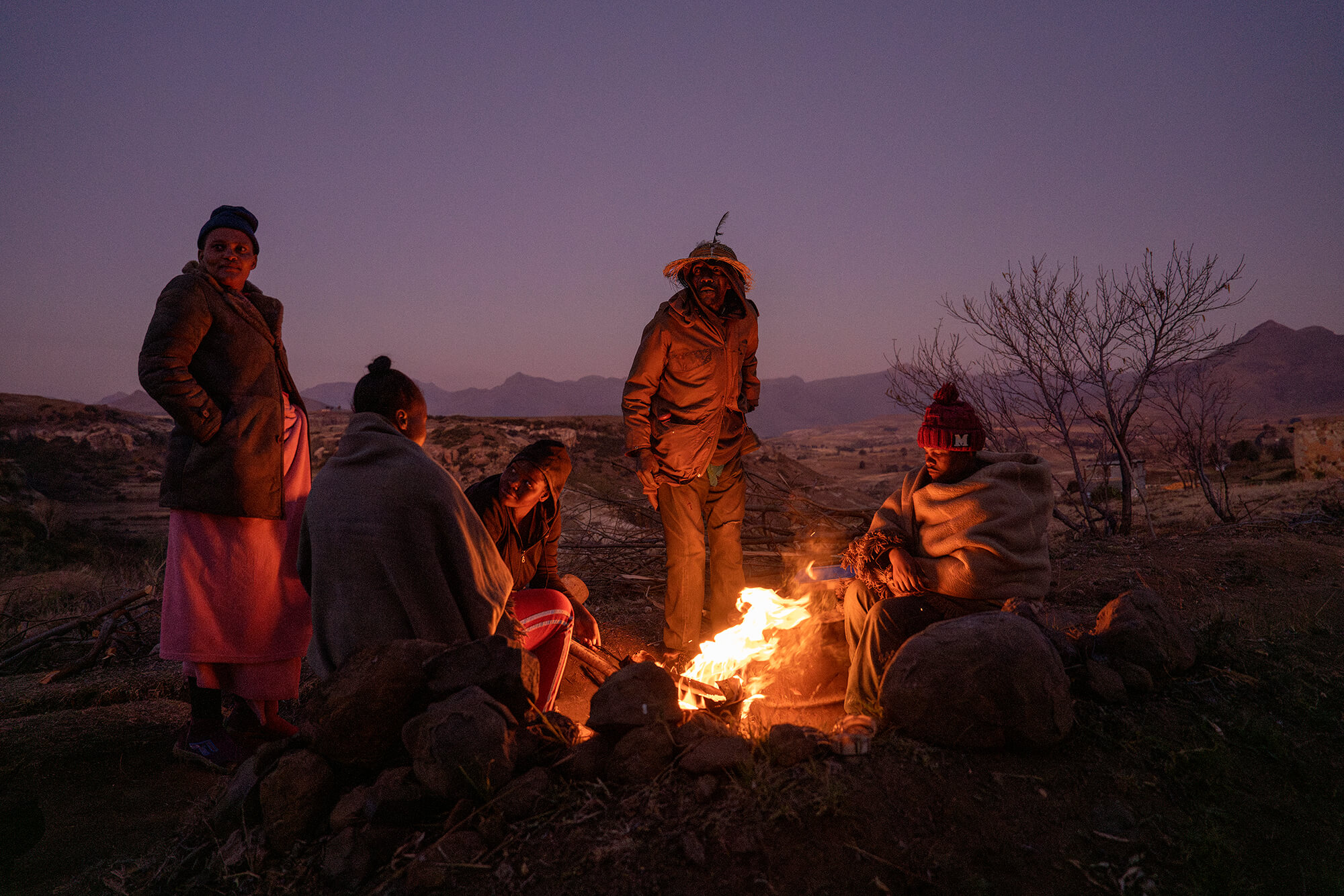
The men wake each morning with the sunrise, as copper-pink light bathes the rock. The only shade comes from a lekhatsi tree, a variety of wild peach, which, according to local lore, was planted two centuries ago by Kome to ward off lightning strikes. Soon Khuts’oane’s daughter-in-law will head back to South Africa, and he’ll move up to the village. And Ntefane says he’ll build a house of his own when he can afford it. Until then, they make do with their home beneath the mahalapane.
Text by John Bartlett.