Petra, 2024
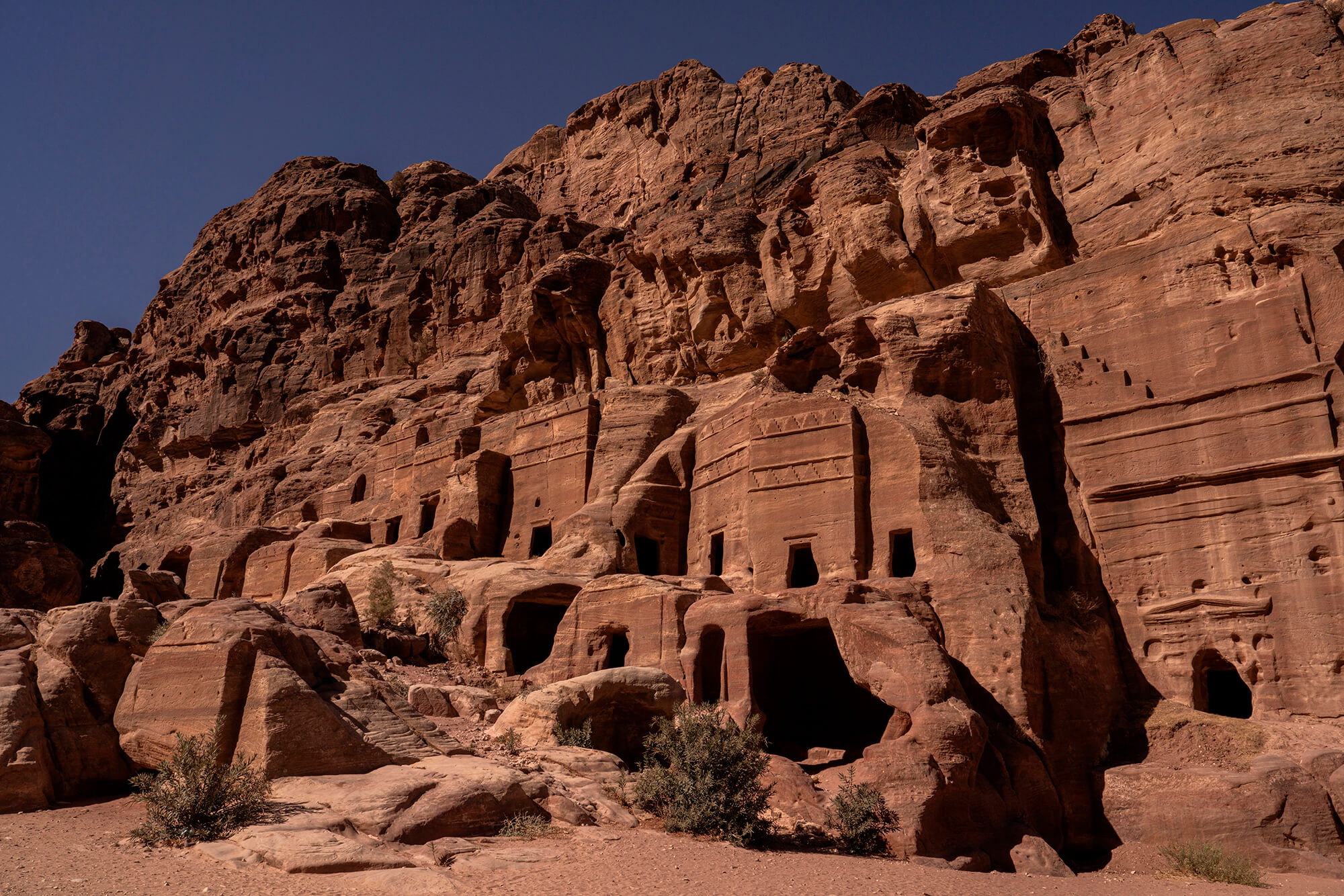
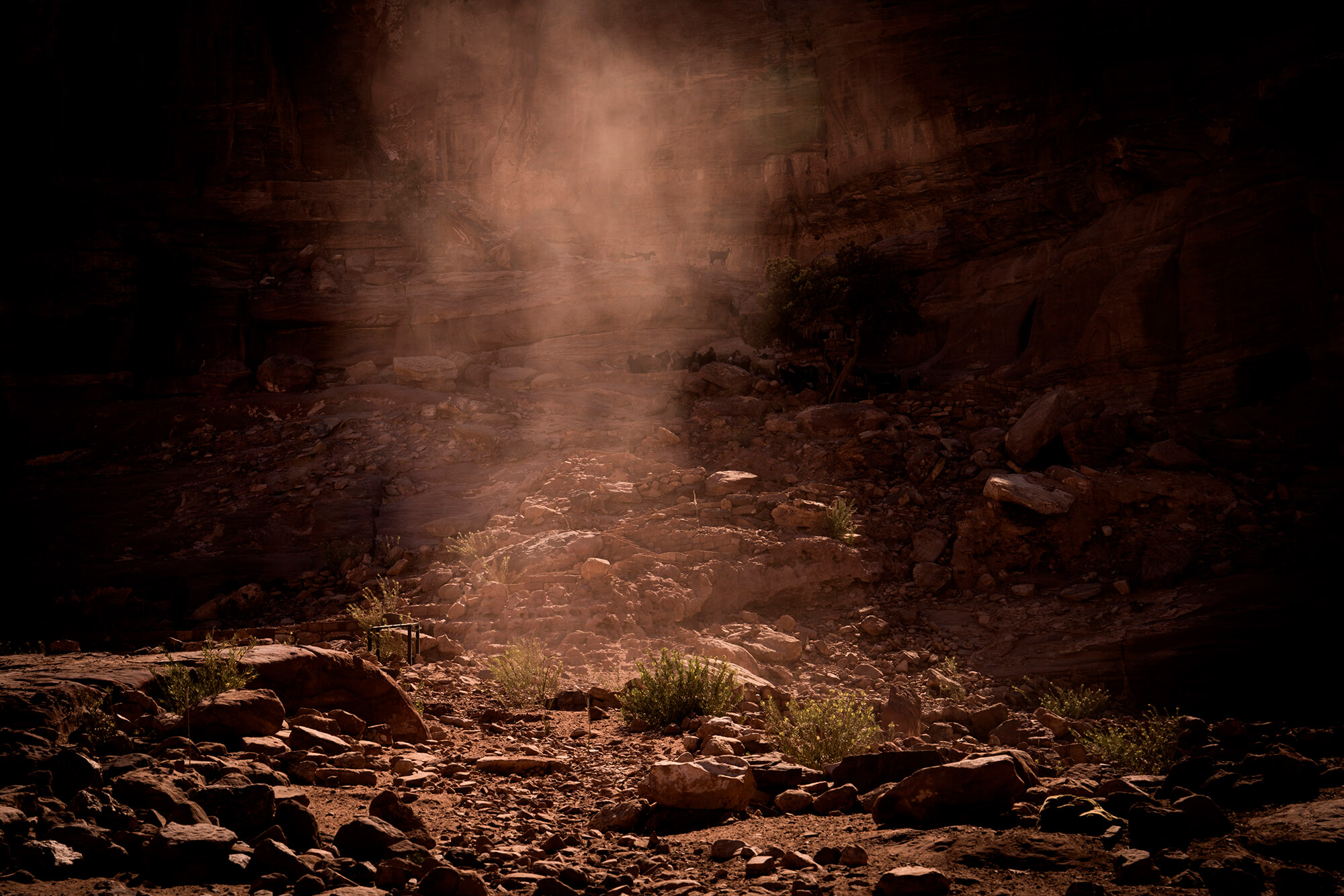
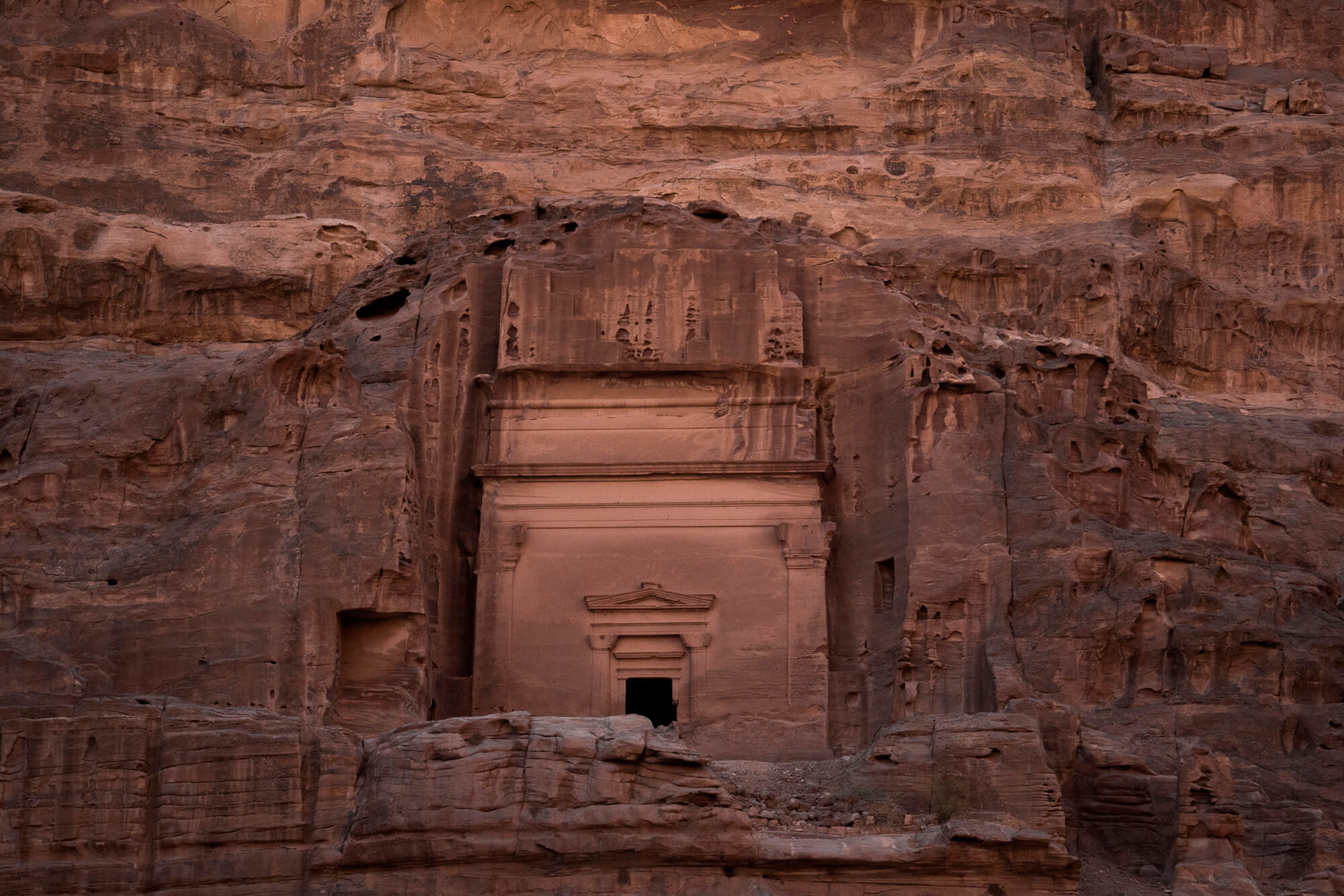
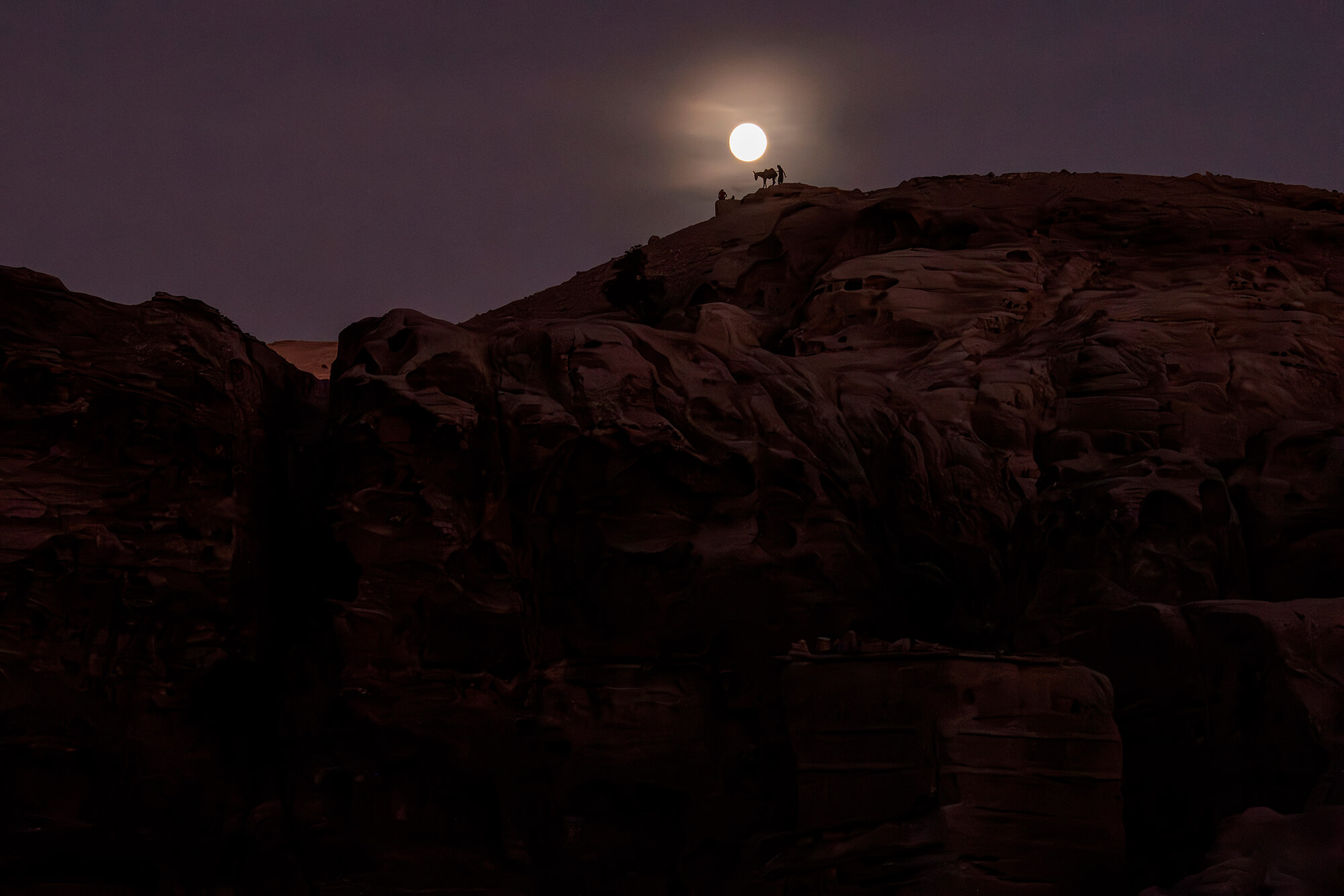
The city of Petra was carved into the sandstone cliffs and canyons of the Jordanian desert over 2,000 years ago as the dazzling trading capital of the Nabataean empire. But for more than two centuries, Bedouin have called its labyrinth of catacombs, passageways, and chambers their home. It was a bucolic and pastoral existence—the slopes below the Royal Tomb were used for agriculture, and the tribe herded their goats through the long canyon into the city.
It was the perfect spot until the 1970s, when the Jordanian government made plans to convert the site into an archaeological tourist attraction. King Hussein bin Talal brokered an agreement for the 140 Bedouin families to leave, and officials built towns nearby to house them. “Essentially, [it] was justified as preservation of the monuments, as well as establishing new employment and subsistence opportunities,” says Mikkel Bille, a professor of ethnology at the University of Copenhagen and author of Being Bedouin Around Petra. By 1985, most of the tribe had vacated the ancient city and Petra was named a World Heritage site.
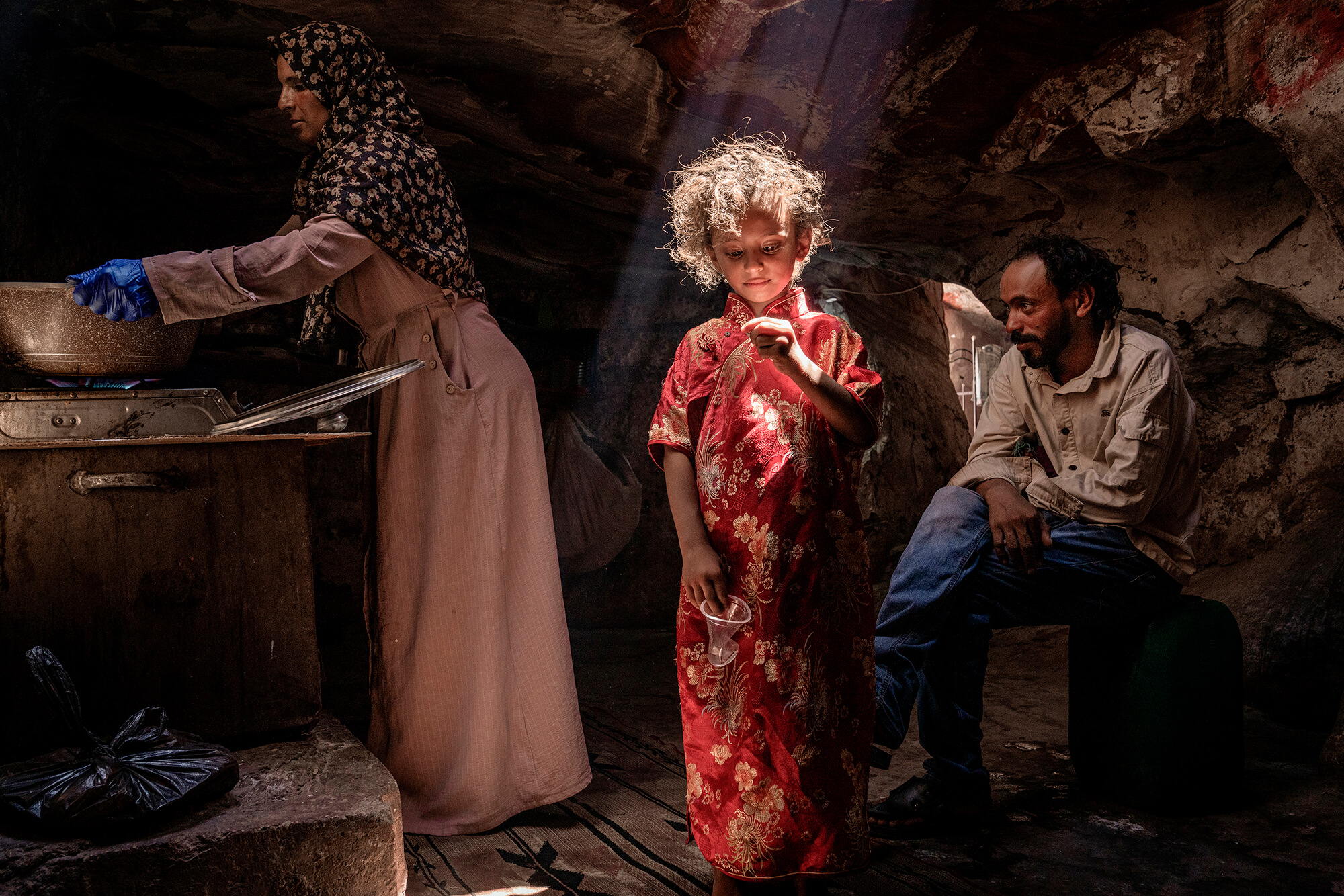
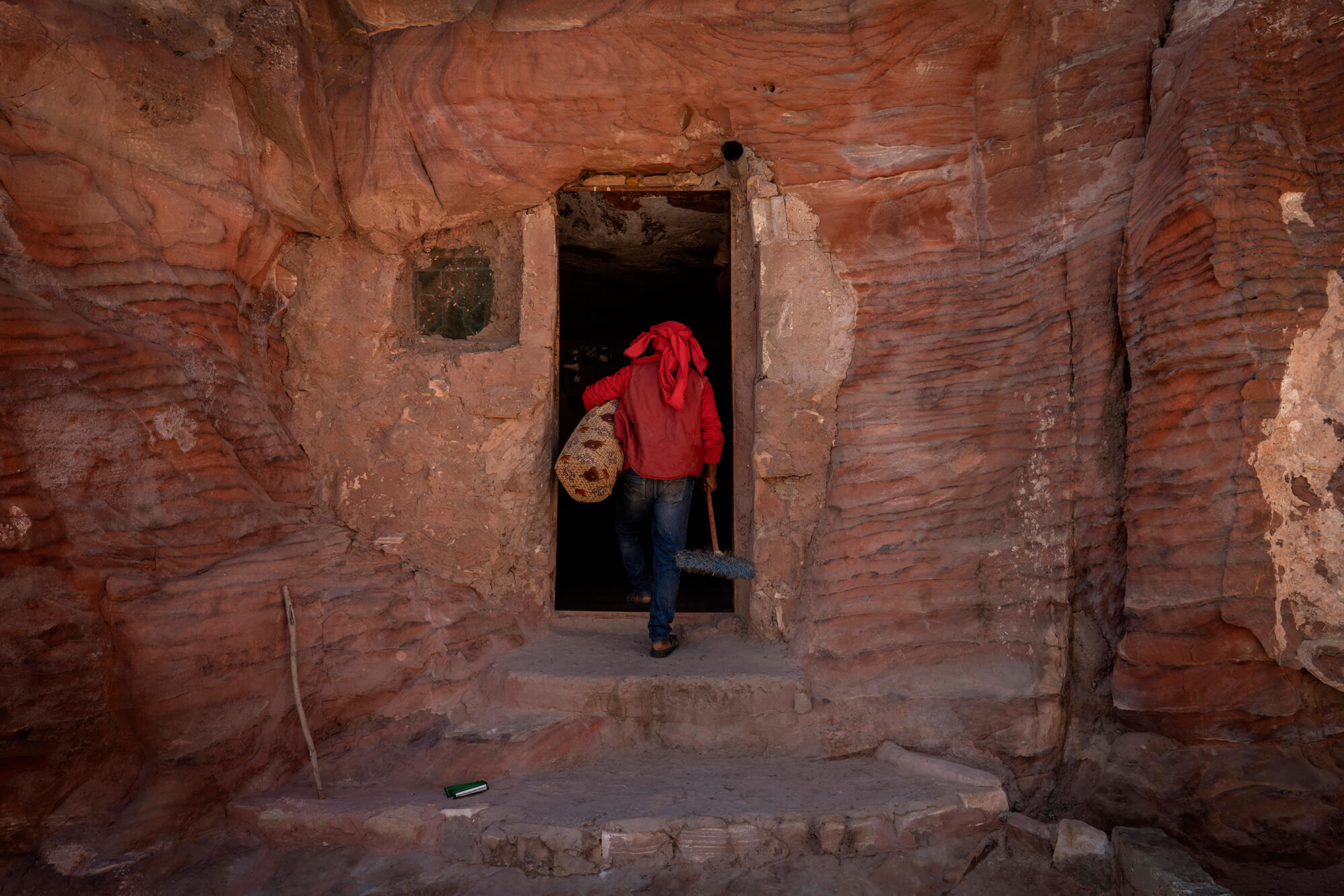
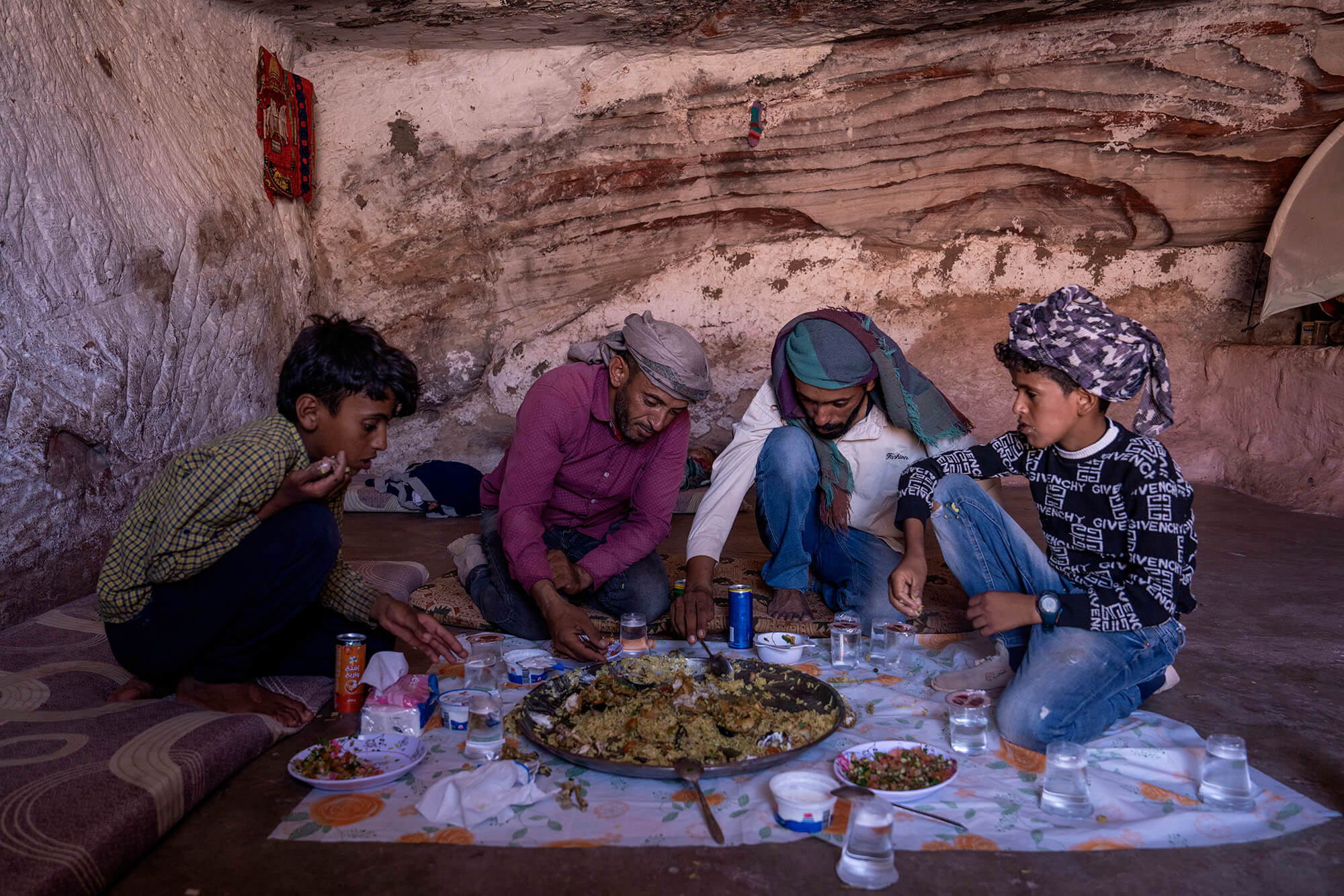
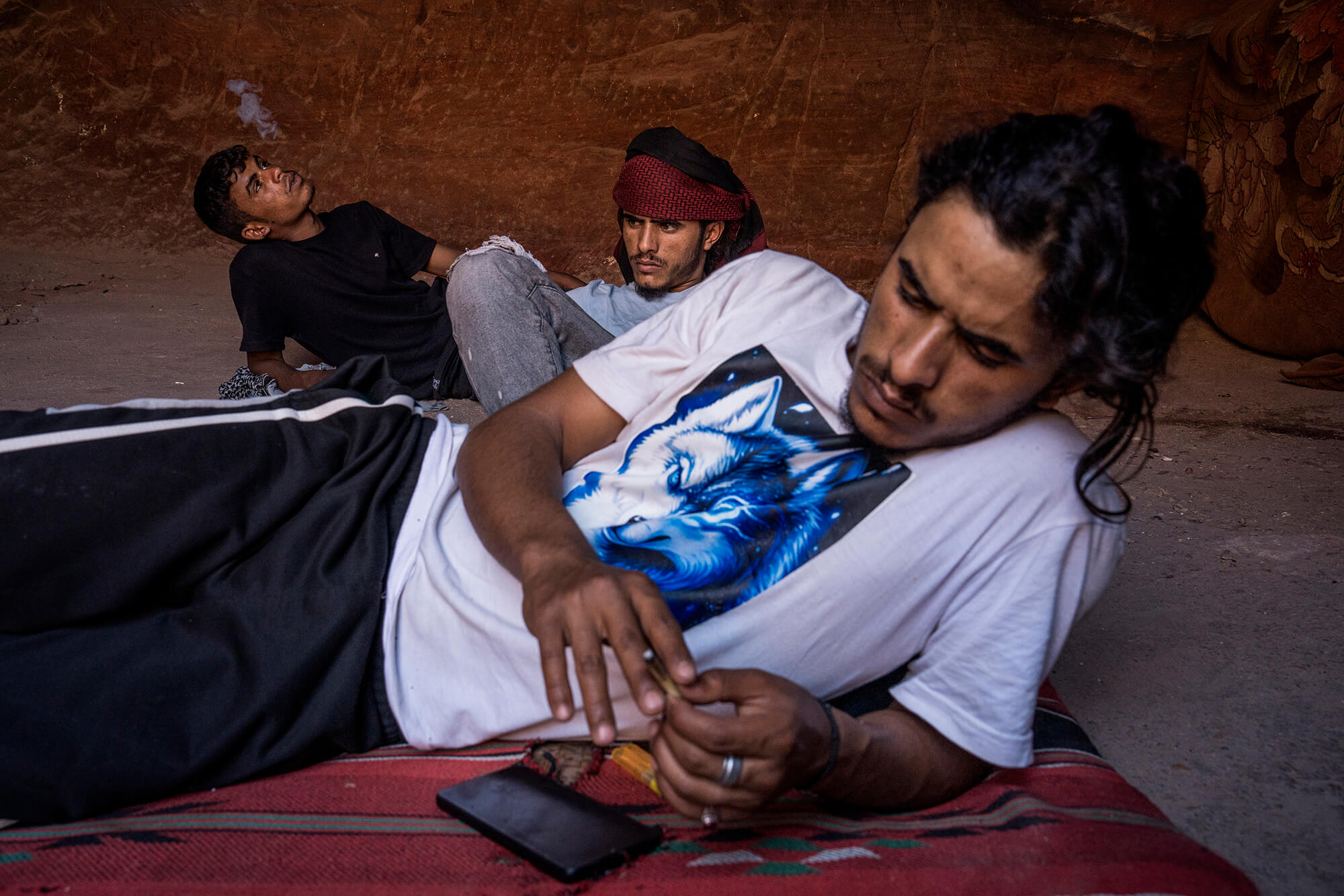
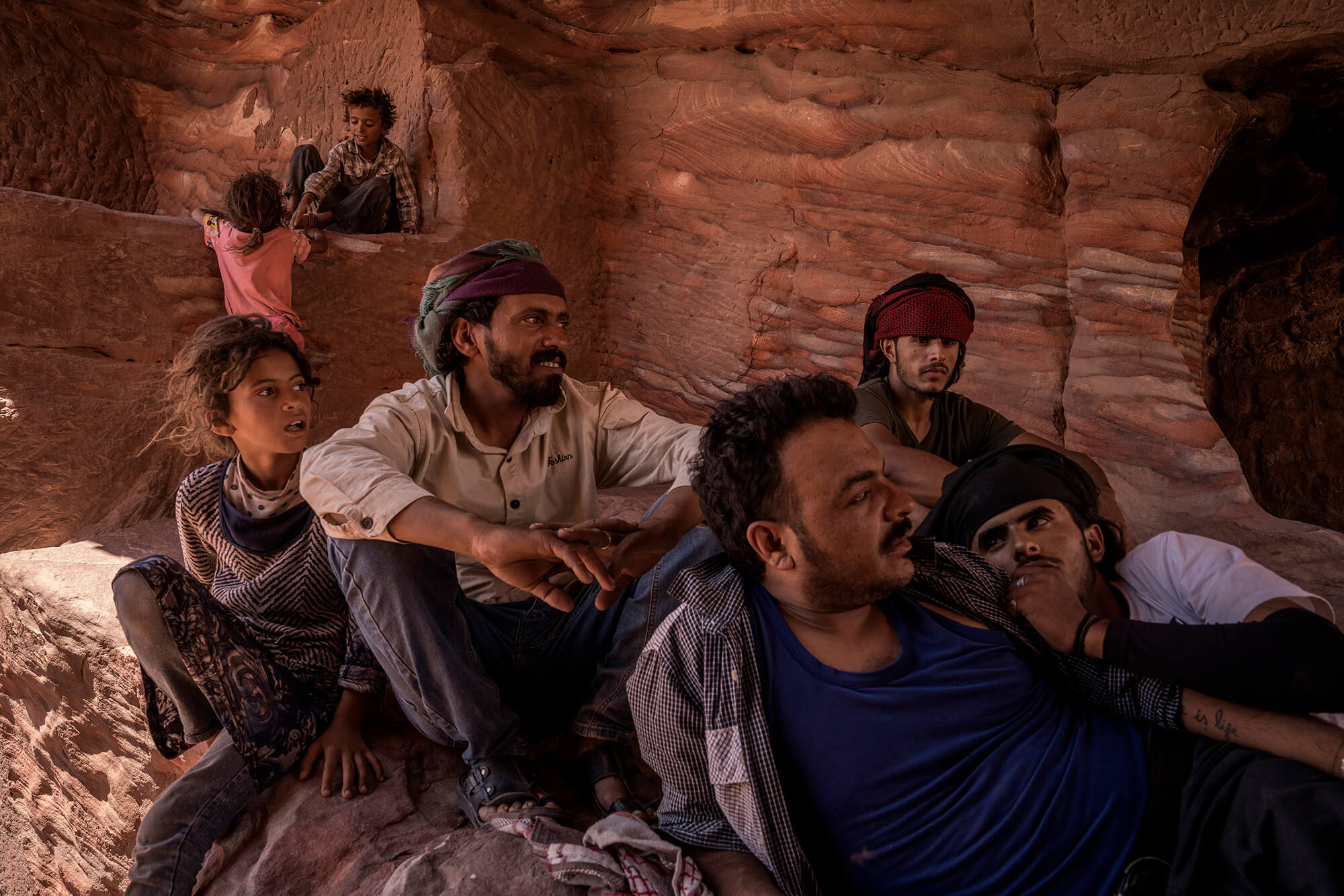
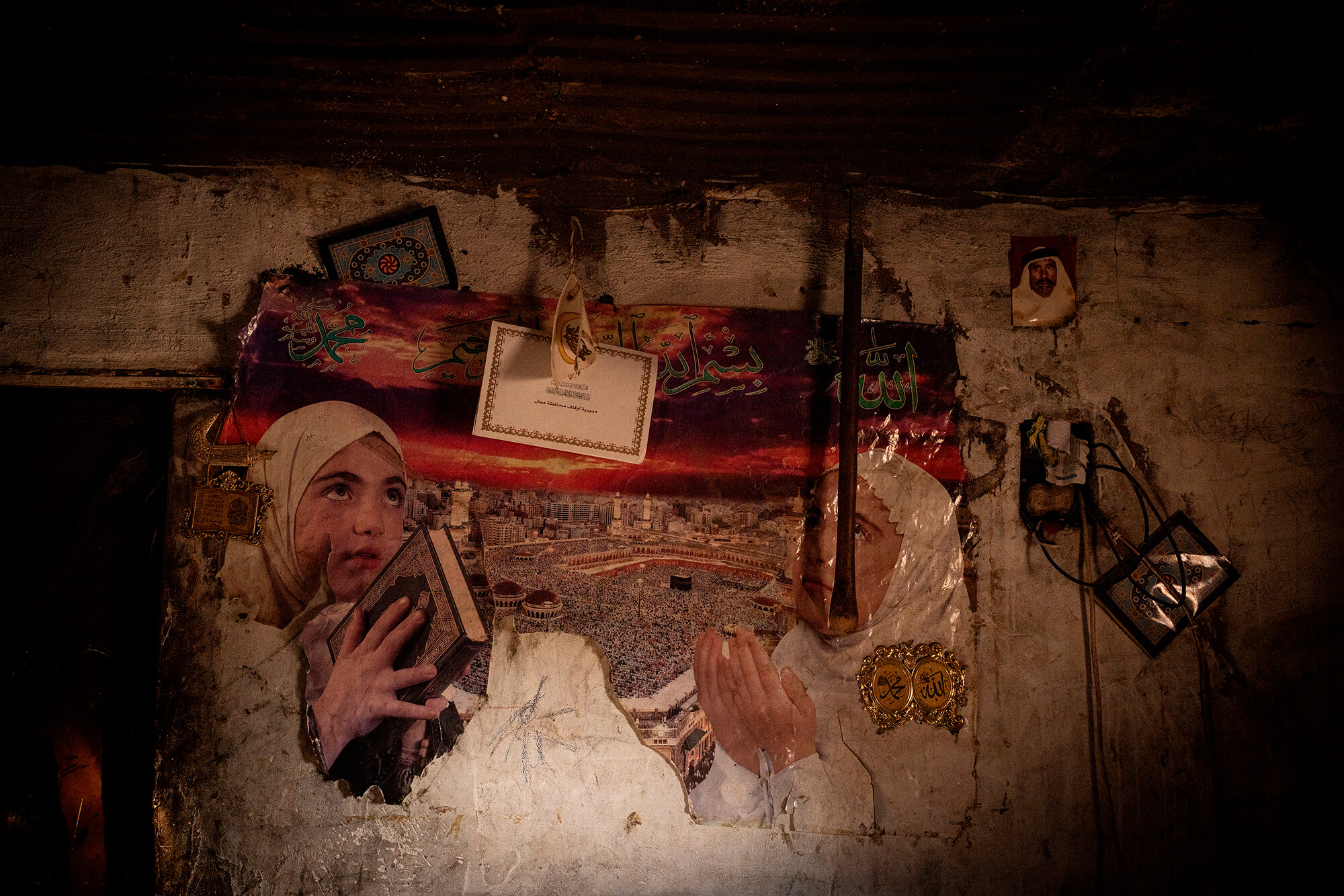
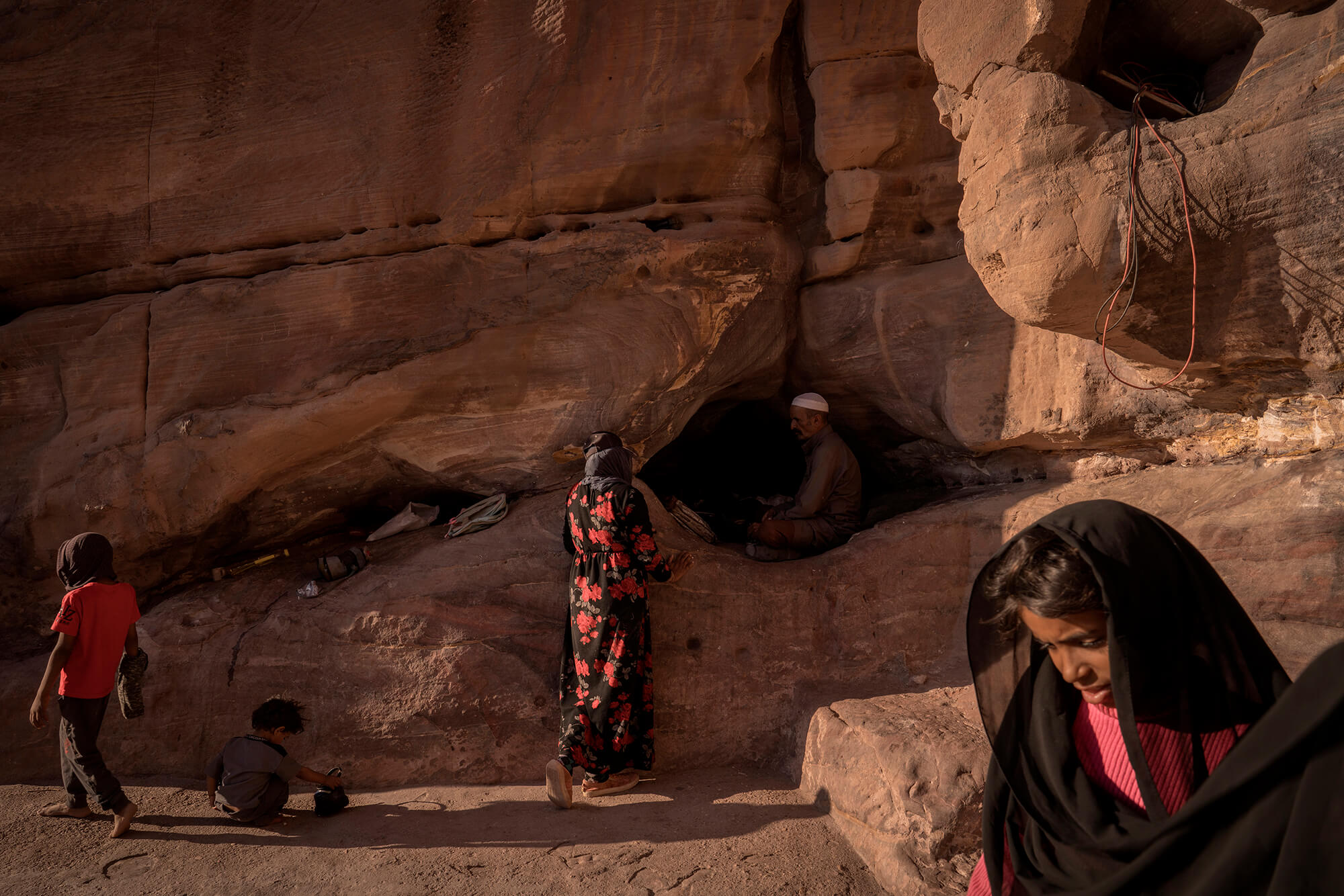
The Bedouin who remained, some 120 of them, were moved from the main archaeological areas to a peripheral valley, where tribe members have made use of whatever space they could find. What were once Nabataean tombs have become storerooms, and ancient halls now house tractors, pickup trucks, and camels.
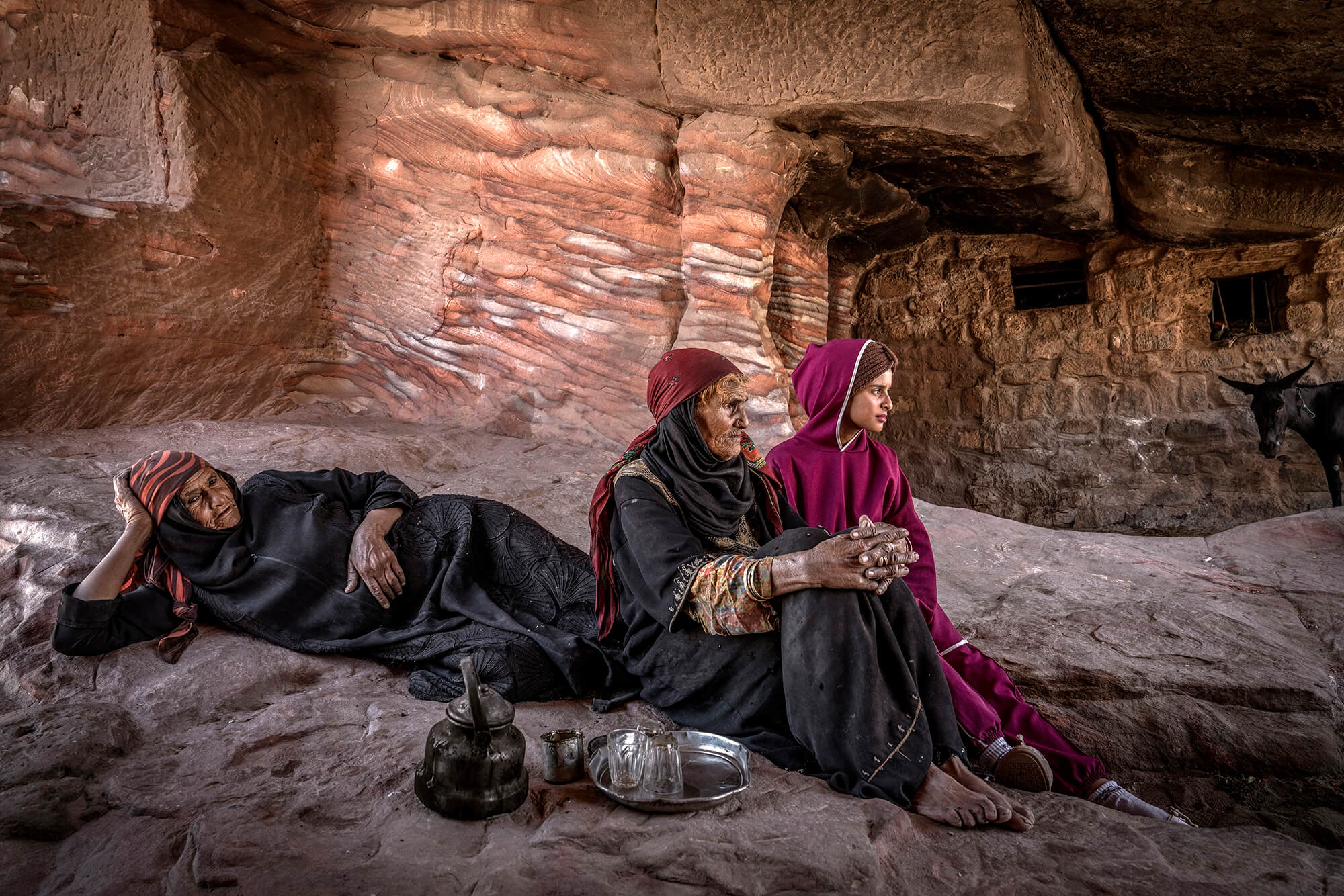
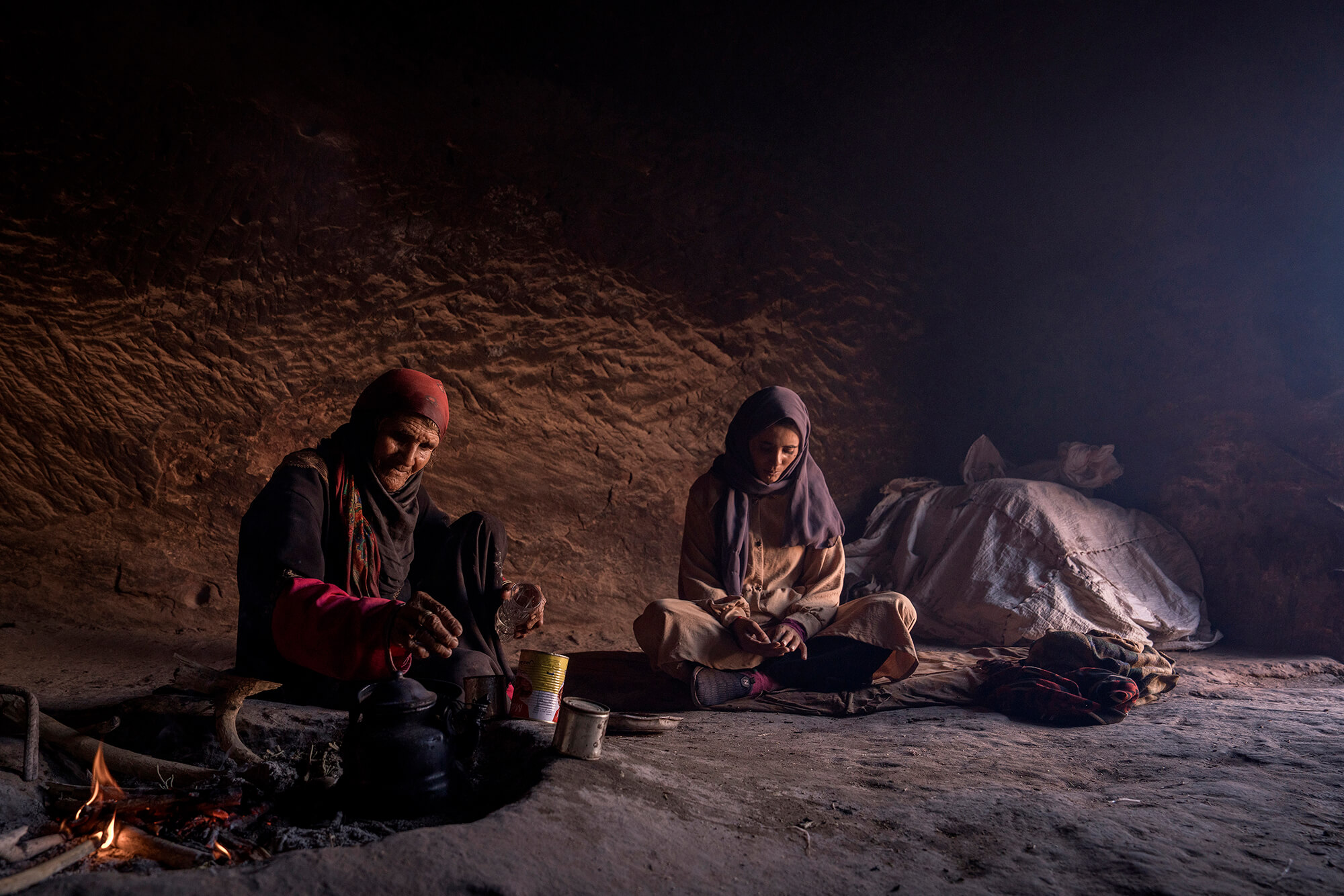
Raya Hussein Suliman Semahin was born in the Royal Tomb when her tribe had free rein over Petra. Now age 90, she lives in a row of caves cut into the red rock of the adjoining valley: a kitchen with a wide firepit and blackened walls, a bedroom dimly lit by lights powered from a solar panel, and a wardrobe cave where her clothes and scarves are hung on a string suspended between two juniper tree branches.
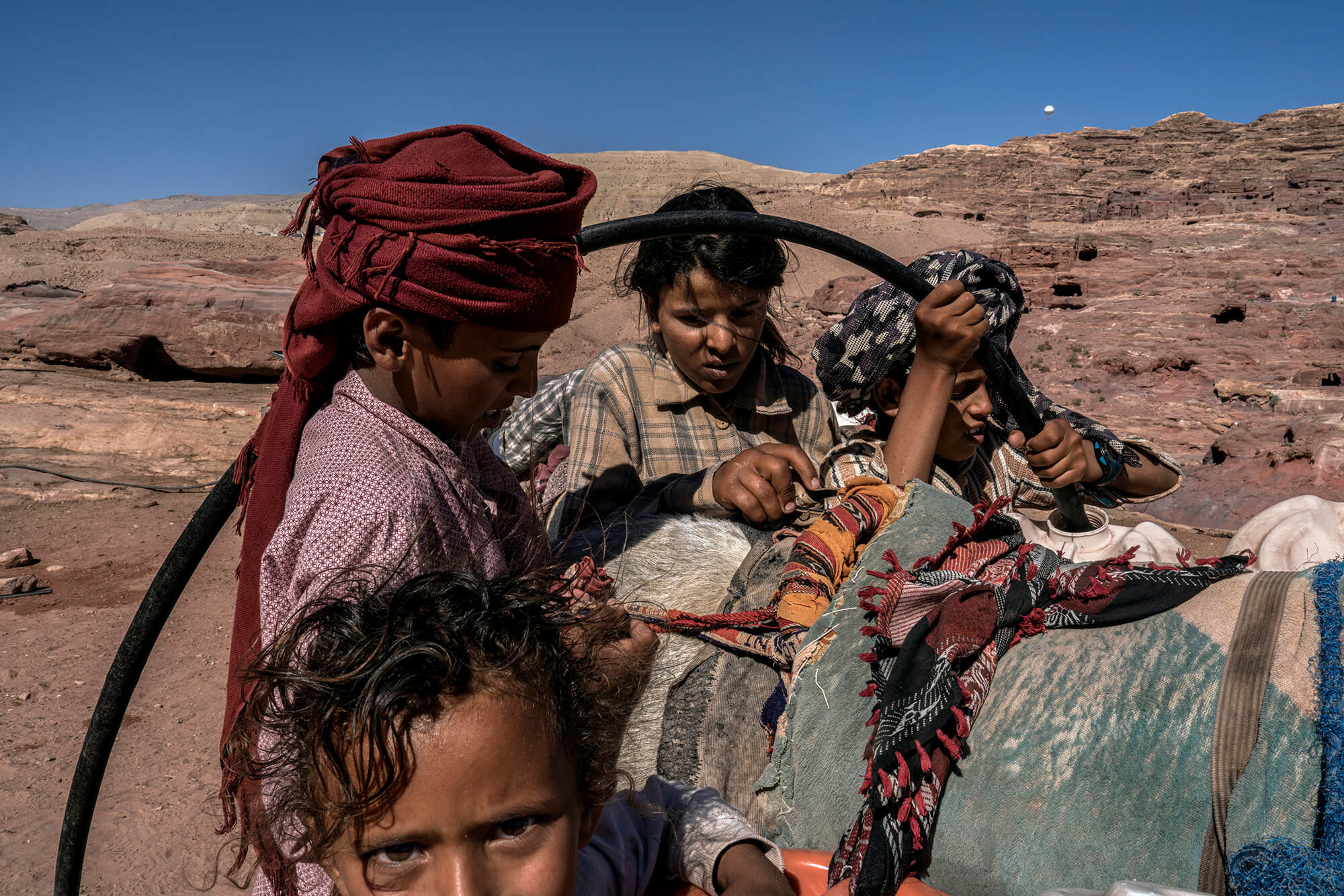
On a dusty hilltop several miles from the valley, the government recently built a modern village with the intention of rehoming Petra’s remaining residents. Some cave dwellers are ready for a new way of life. Haniyah Suliman Ali Samahin, 37, wants her eight children to be closer to the school and have permanent access to fresh water, which currently trickles out of a tap on the valley floor just once every three or four days.
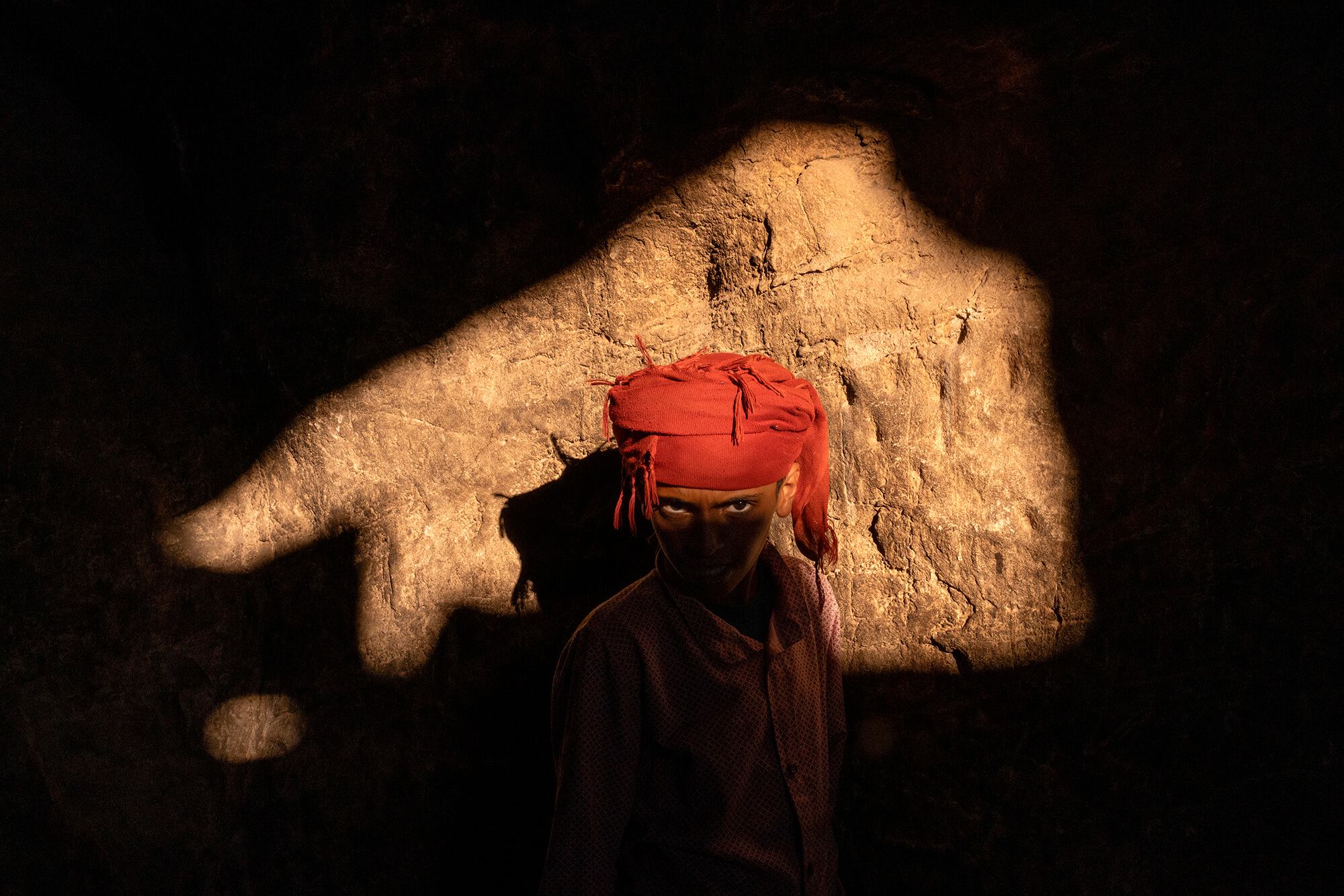
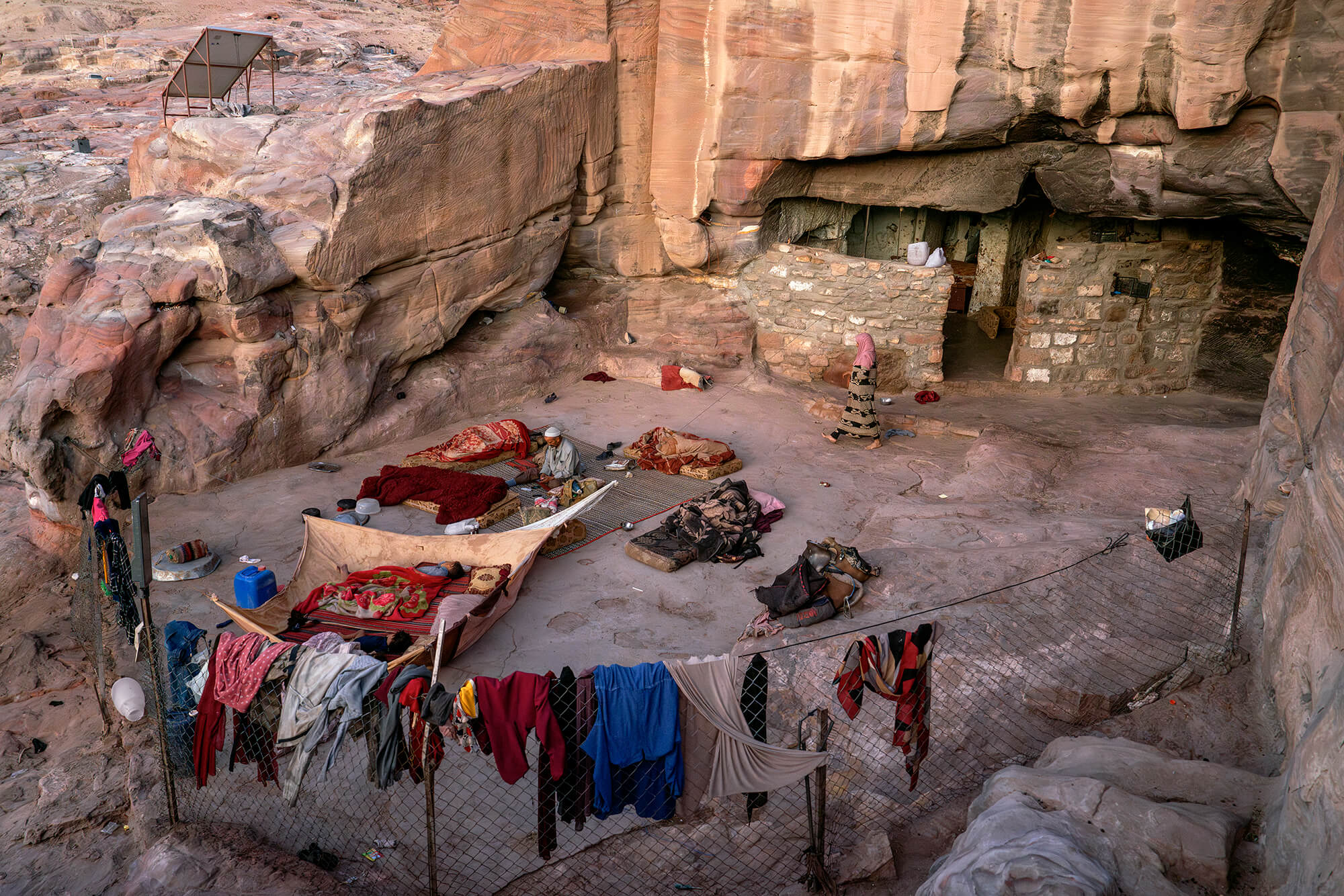
Others, though, will never leave Petra for a life of concrete and modernity. “We like the open air,” says 18-year-old Suleman Samahin, “the nature and the freedom.” As the sun sets, Suleman’s mother sits on a stone slab outside her cave home, tending to a fire. Nearby, Suleman and his brothers cook mansaf, a traditional dish of lamb and yogurt, in a sand-filled pit that once held Nabataean wine. When night falls, the family will lie outside on mattresses and animal pelts underneath the stars. “Taking the Bedouin out of Petra is like taking the spice out of a dish,” says Raya. “You’re left with nothing.”
Text by John Bartlett.